Outgrowing your current Redlands home and eyeing more space, a better location, or newer finishes? You are not alone. Many local owners are weighing a trade-up while inventory improves and the right home pops on the market. In this guide, you will see real Redlands price tiers, timing expectations, and clear financing paths so you can move up with confidence. Let’s dive in.
Redlands prices in 2026
If you want one number to frame the market, use Redfin’s current snapshot. The median sale price in Redlands is about $657,500, up roughly 9.6% year over year in the latest February 2026 report. Median days on market in that window hovered around the low 90s, and the sale-to-list ratio was near 99%, with about a third of homes selling over list. These metrics point to steady demand, especially around move-up price bands. You can review the latest figures on the Redfin Redlands housing market page.
Different sources measure different things. Zillow tracks a typical value across all homes and active listings, while Altos focuses on live listing medians. That is why you may see slight disagreement on trend lines. For your own decision making, stick with one provider for headline numbers, then use other sources to compare neighborhoods and price tiers.
What your budget buys
Altos Research breaks Redlands into four listing quartiles. This is a practical way to set expectations for space and features at each price band. Here is the current picture for early 2026, using Altos medians and typical home attributes. You can scan the full weekly profile on Altos Research’s Redlands page.
Bottom tier snapshot
- Median around $584,600.
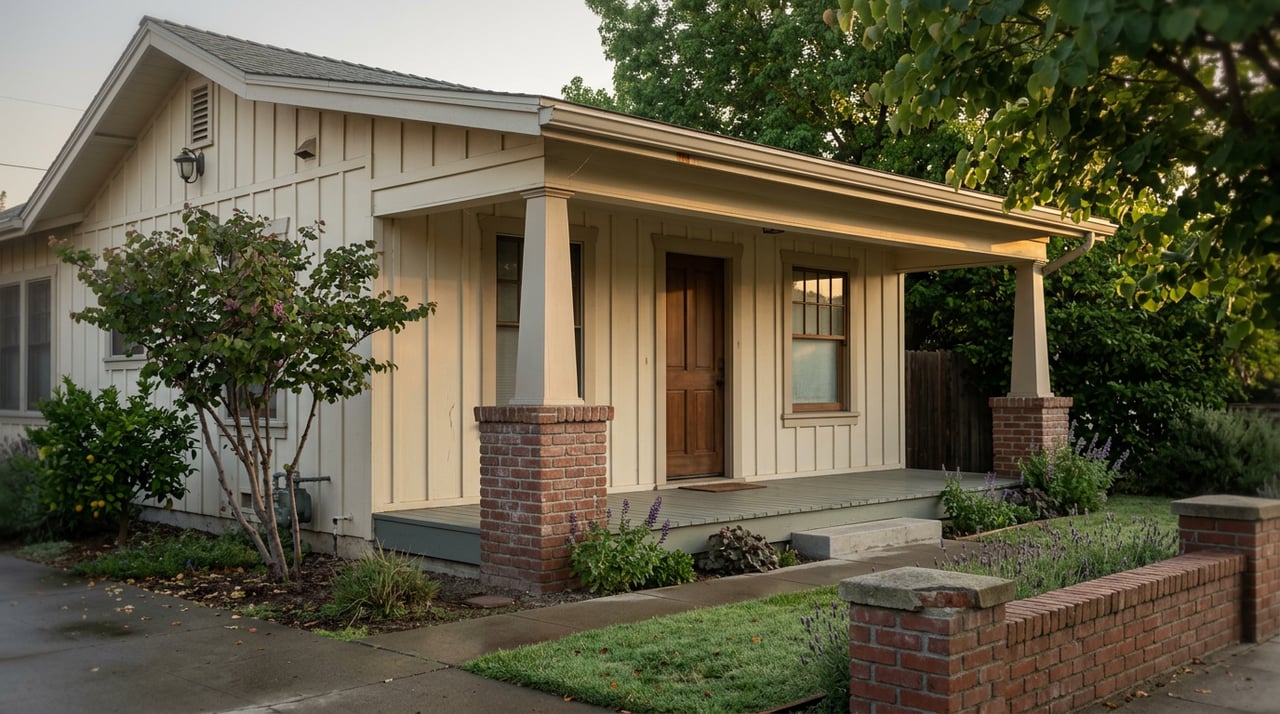
- Often 3 bedrooms and about 1,300 to 1,400 square feet.
- Entry-level updates and smaller lots are common.
Mid tiers move fastest
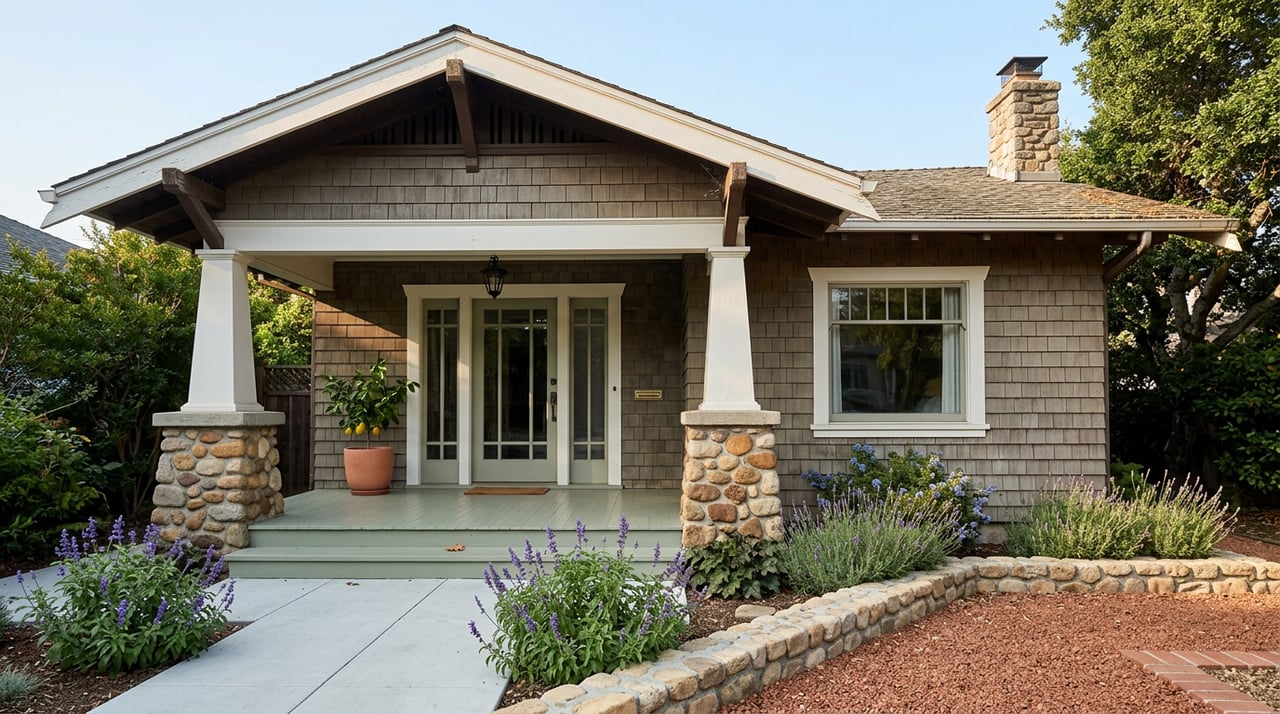
- Lower to mid tiers cluster near $685,000 for roughly 4 bedrooms and about 2,000 square feet.
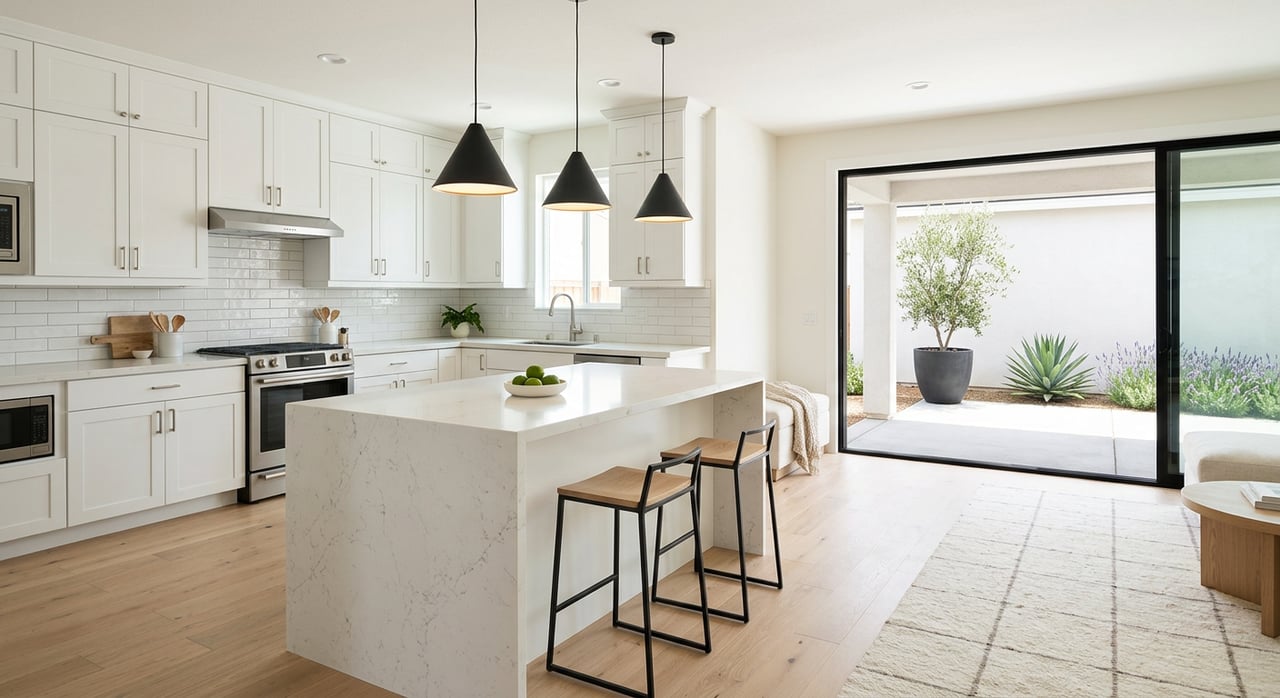
- The upper-mid tier centers near $890,560 with larger 4-bedroom homes around 2,800 square feet.
- In early 2026, one mid tier showed notably quick days on market, which is typical when many move-up buyers target the same features and locations.
Upper tiers and neighborhoods
- The top quartile often starts around the high $1 millions for larger homes, acreage, or premium pockets.
- Neighborhood medians differ. Recent Realtor.com snapshots show South Redlands near $749,900, North Redlands closer to $599,950, and San Timeteo/Live Oak Canyon pockets that can exceed $1 million. These medians are helpful for mapping trade-offs on lot size, commute, and school boundaries. Explore neighborhood medians on Realtor.com’s Redlands market overview.
Timing and competition
Typical timeline
Plan for a full sell-and-buy cycle of 60 to 120 days. City-level days on market in late 2025 and early 2026 ran roughly 60 to 90 days depending on source and timeframe, then standard escrow periods add 30 to 45 days after you go under contract. Actual timing will vary by price tier and how you structure financing.
Appraisals and over-list sales
With a sale-to-list ratio close to 100% and a meaningful share of homes selling above asking, you should prepare for potential appraisal gaps in the most competitive tiers. Build a buffer into your budget and discuss an appraisal gap strategy with your lender and agent before you write.
Choose your move-up path
There is no one right way to move up. The best path depends on your risk tolerance, equity, and target price band.
Sell first
- How it works: You list and sell your current home, then buy your next home with a non-contingent offer.
- Pros: Strongest negotiating position on the buy side, no double mortgages.
- Cons: You may need temporary housing or a rent-back to bridge the gap.
Buy first with a bridge loan
- How it works: A short-term loan taps your current equity to fund the down payment on the new home, then pays off when your home sells.
- Pros: Lets you write a clean, non-contingent offer in a hot segment.
- Cons: Higher rates and fees compared to many standard loans, plus the risk of carrying two payments if your home takes longer to sell. For a plain-English explainer, read this bridge loan guide.
Tap equity with a HELOC
- How it works: A home equity line of credit gives you a revolving line secured by your current home. Many owners use a HELOC for the new down payment, then pay it off after their home sells.
- Pros: Flexible and often lower upfront costs than a bridge loan.
- Cons: Variable rates and payment changes after the draw period. Learn basics from the CFPB’s HELOC overview.
Cash-out refinance
- How it works: You replace your current mortgage with a larger one and take cash out for the next down payment.
- Pros: One closing and a predictable fixed rate in many cases.
- Cons: Closing costs and a reset of your loan term. This option can work if rate math and monthly payments still meet your goals.
Assumable FHA or VA loans
- How it works: Many FHA and VA loans are assumable if the buyer qualifies and the servicer approves. You would take over the seller’s loan terms and rate, then bring cash or secondary financing to cover the price above the remaining balance. See FHA policy details in the HUD handbook. If you are considering a VA loan assumption, confirm entitlement and substitution rules with the servicer and VA resources.
Contingent offers and rent-backs
- Home-sale contingencies protect you if your current home has not sold. They can be less attractive to sellers in fast-moving tiers, and many sellers add a kick-out clause so they can accept a stronger back-up offer. Post-closing rent-backs are also common to give sellers time to move. For a practical overview, read this explainer on contingent offers and kick-out clauses.
Watch the conforming limit
Loan size affects underwriting and rates. In 2026, San Bernardino County’s 1-unit conforming loan limit is $832,750. If the amount you need to finance exceeds that after your down payment, you will likely use a jumbo product with different terms. See the official county limits from the FHFA 2026 loan limit list.
Taxes and local factors
- Property taxes: California’s Prop 13 sets a base 1% levy on assessed value plus voter-approved charges, which means a replacement home usually resets your assessed value higher if you have owned your current home for years. If you are 55 or older or severely disabled, Prop 19 allows you to transfer your base-year value to a new primary residence statewide within set rules. Review guidance and forms from the California Board of Equalization’s Prop 19 brief.
- Local development: The City’s FY2024 annual report cites strong assessed value growth and several in-progress housing projects, including Lugonia Village, Tennessee Village, and State Street Village. Over time, these can influence inventory and rental options. See the project context in the city’s FY2024 ACFR.
Worked example: a Redlands trade-up
The numbers below are hypothetical. Your details will vary based on list price, proceeds, and loan terms.
- Your current home sells for 620,000.
- Estimated selling costs at 7% total equal 43,400. Net after costs: 576,600.
- Remaining mortgage payoff is 380,000. Net proceeds to you: 196,600.
Target purchase: 780,000 in the upper mid tier.
- Down payment at 15% equals 117,000.
- Estimated buyer closing costs at 2.5% equal 19,500.
- You earmark 10,000 as a potential appraisal gap buffer.
- Total cash needed for down, costs, and buffer equals 146,500.
Result: You still have roughly 50,000 of proceeds for moving expenses or upgrades. Your financed amount would be about 663,000, which fits under the $832,750 conforming limit for San Bernardino County. If you set sights on a 920,000 home, the same 15% down leaves a financed amount of 782,000, which likely requires a jumbo loan. A HELOC or bridge loan could also cover part of the cash needed if you prefer to keep more proceeds in reserve until your sale closes.
Your move-up checklist
- Define your must-haves. Rank space, yard, commute, and neighborhood preferences.
- Get preapproved. Ask your lender to run scenarios for conforming vs. jumbo, appraisal gap planning, and monthly payment ranges.
- Choose your path. Decide between sell-first, HELOC, bridge loan, or a contingent offer based on your target tier’s competitiveness.
- Prep to list. Make simple repairs, declutter, and confirm your pricing strategy aligned with current days on market and sale-to-list trends from Redfin’s Redlands data.
- Time your move. Consider a rent-back or short-term housing if you sell first. Build in 30 to 45 days for escrow after contract acceptance.
- Confirm taxes. If age 55 or older or severely disabled, review Prop 19 eligibility with the BOE’s Prop 19 guidance.
- Stay market-ready. In fast mid tiers, tour early, confirm comps the day you offer, and be ready to respond quickly to counters.
Make your next move with confidence
Moving up in Redlands is absolutely doable when you match your financing plan to your target tier and keep a close eye on days on market. With steady buyer demand and clear neighborhood price bands, you can align timing, budget, and features without guesswork. If you want a step-by-step plan tailored to your home, equity, and next-neighborhood wish list, connect with Terri Barrett for a friendly, no-pressure consultation.
FAQs
How competitive is the Redlands move-up segment right now?
- Redfin reports a sale-to-list ratio near 99% and roughly one-third of sales over asking, so expect multiple offers and potential appraisal gaps in the mid and upper-mid tiers. Check the latest figures on Redfin’s market page before you write.
What price tiers move fastest for Redlands buyers trading up?
- Altos Research shows the mid tiers around 685,000 to 890,000 moving quicker in early 2026, which aligns with many move-up wish lists. See weekly quartiles on Altos Research’s Redlands profile.
Should I sell my current Redlands home before I buy the next one?
- If you need a non-contingent offer to win in your target tier, selling first or using a bridge loan or HELOC can strengthen your position. In cooler segments, a contingent offer might work with a clear kick-out clause. Review pros and cons of contingencies here: contingent offer guide.
Can I assume a seller’s low-rate FHA or VA mortgage in Redlands?
- Often yes, if the loan is assumable and you qualify with the servicer. You would take over the rate and terms, then cover the difference between the balance and purchase price with cash or secondary financing. Learn more in the HUD FHA handbook.
What loan size triggers jumbo financing in San Bernardino County?
- For 2026, the conforming limit is 832,750 for a 1-unit home. If your financed amount exceeds that after your down payment, you will likely use a jumbo loan. Confirm your numbers with the FHFA 2026 limits.