Torn between a century-old charmer near State Street and a newer home on Redlands’ east side? You are not alone. Both areas offer real benefits, from architecture and walkability to newer systems and community parks. In this guide, you will get a clear, side‑by‑side understanding of lifestyle, costs, transit, and what to double‑check before you buy. Let’s dive in.
Neighborhood snapshots
Historic Downtown profile
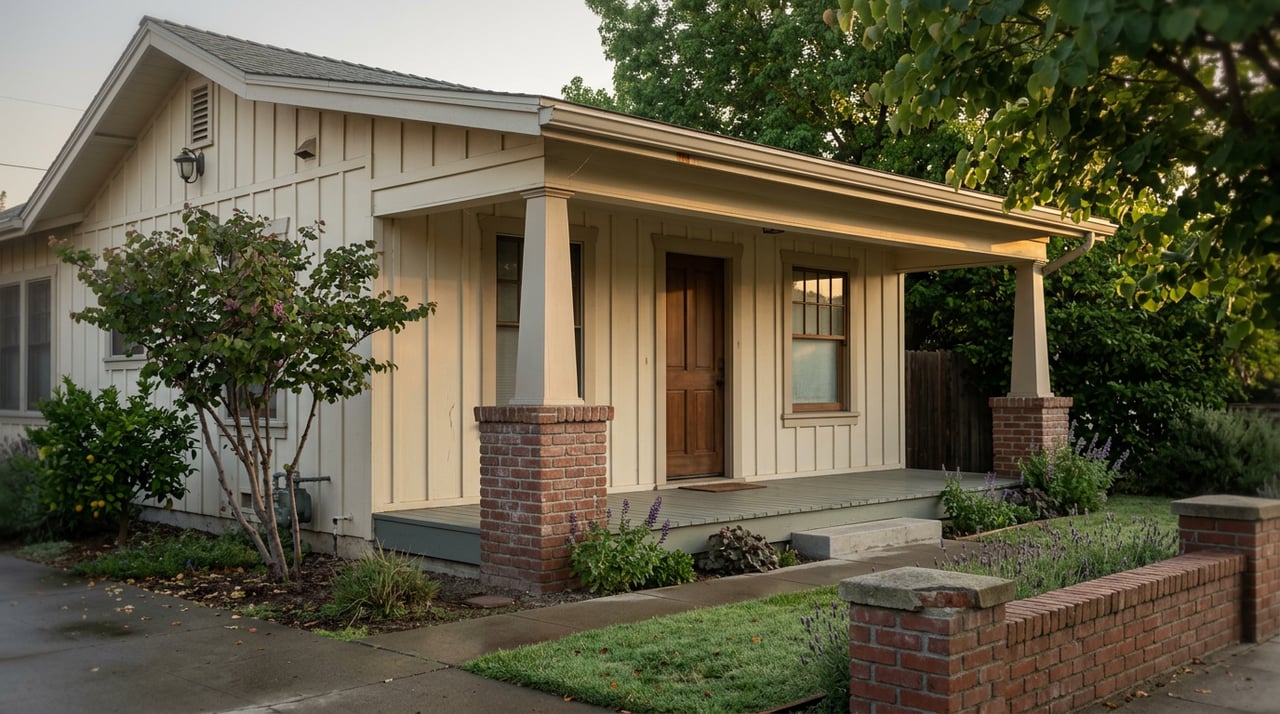
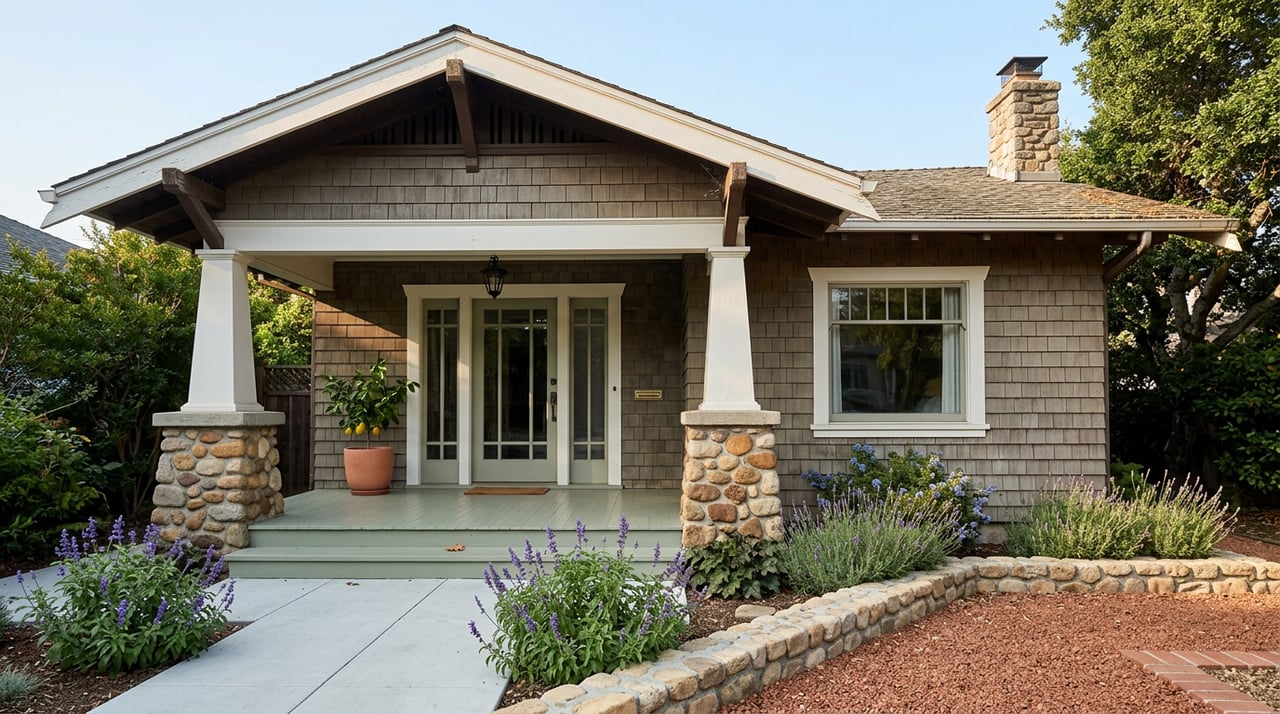
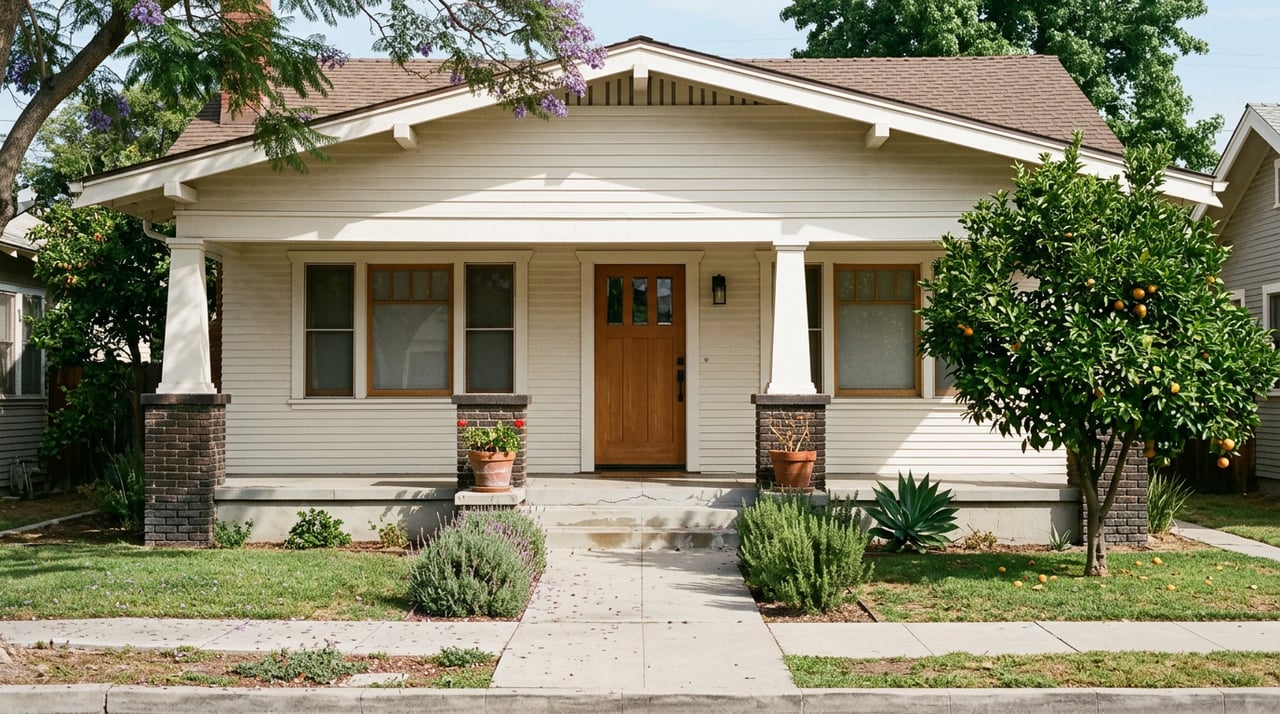
Historic Downtown Redlands centers on the Smiley Park and Santa Fe Depot districts, both listed on the National Register of Historic Places. These blocks showcase late‑19th and early‑20th century architecture, including Victorian, Colonial Revival, and Craftsman bungalows, which draw buyers who value original woodwork, large porches, and distinctive trim. The City runs an active Historic & Scenic Preservation program with review for exterior changes and formal guidelines for designated properties. You can learn more about the historic districts and preservation program through the National Register listing and the City’s preservation page, including how permits work and where to begin with improvements (Smiley Park and preservation history, City of Redlands historic preservation).
East side profile
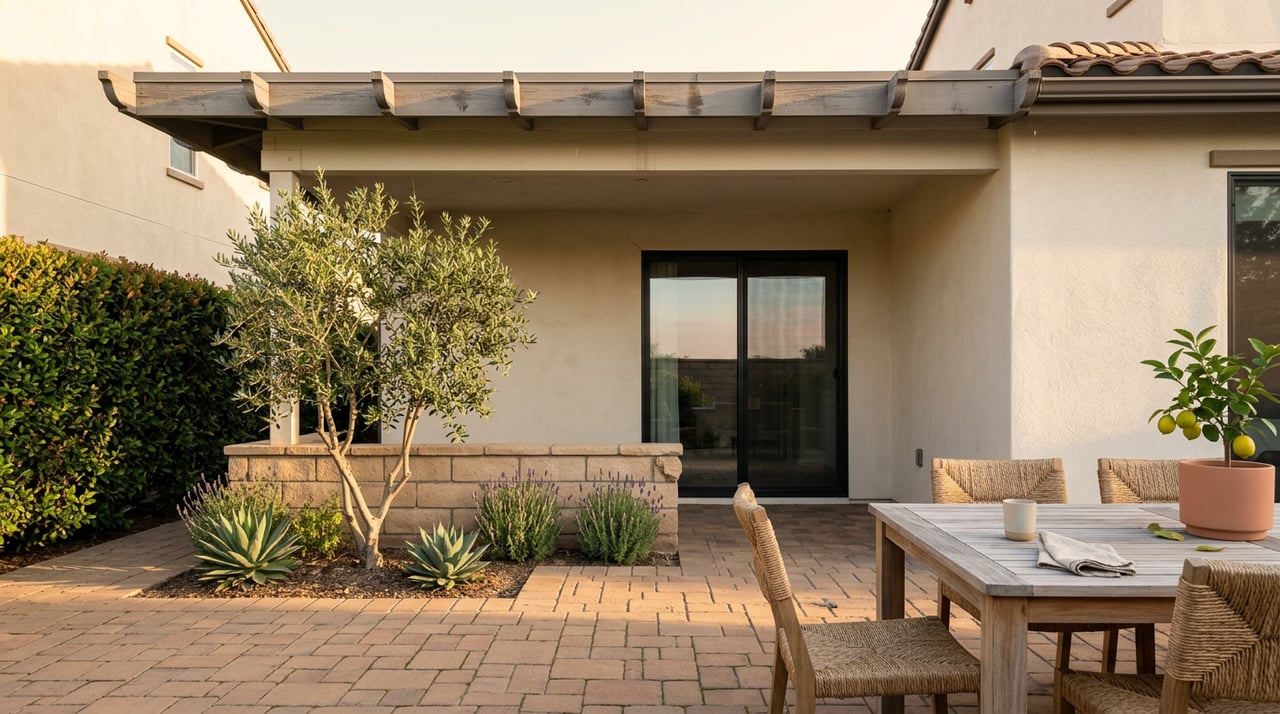
Locals often refer to the “east side” as the East Valley Corridor planning area and nearby infill north of Lugonia Avenue. Several approved and proposed communities add a mix of apartments, townhomes, and single‑family homes built to modern codes. One example is the Neighborhoods at Lugonia Village, a multi‑product plan that includes hundreds of new units, with detailed counts and layouts disclosed in public filings (Lugonia Village project summary, East Valley Corridor filings). Expect contemporary exterior styles, more uniform footprints, and community features that vary by subdivision.
Homes and lots
Lot sizes and density
Downtown historic lots often run in the 7,000 to 9,000 square foot range, with some larger parcels and the occasional accessory dwelling unit on infill sites. Lot shapes can be irregular, and older utility layouts are common. On the east side, densities depend on the product type. For example, the single‑family portion of Lugonia Village plans about 5.33 homes per acre, roughly 8,100 square feet per lot on average, while townhome and apartment areas can reach about 27 units per acre with smaller private yards and shared open space (project density examples). In short, single‑family lots can be similar in size across both areas, but attached and multifamily products on the east side are denser.
Preservation, permits, and Mills Act
If you buy in a designated historic district or own a qualifying historic resource, exterior changes often require a certificate of appropriateness. The City’s Historic & Scenic Preservation Commission provides guidance, and owners can explore the Mills Act, which may reduce property taxes in exchange for preservation commitments. This is both a responsibility and a potential savings opportunity for long‑term stewards of older homes (City preservation and Mills Act info).
HOAs, Mello‑Roos, and taxes
California property taxes start with a base ad valorem rate near 1 percent of assessed value, with voter‑approved assessments on top. Many newer subdivisions also have homeowner association fees and Community Facilities District special taxes, often called Mello‑Roos. These line items can add meaningfully to carrying costs, so review the preliminary title report and the county tax bill before you commit. Citywide data and local filings help you understand the baseline and what varies by neighborhood (Redlands city snapshot, project‑level records).
Walkability and amenities
Downtown access and culture
If walkability tops your list, Downtown is the clear winner. Addresses near State Street typically score Very Walkable, thanks to cafés, restaurants, small retailers, the A.K. Smiley Library, Redlands Bowl, and the historic depot area. Daily errands, date nights, and community events can often be enjoyed on foot (Downtown walkability snapshot).
East side daily convenience
Most east‑side subdivisions are planned around arterials and highway access rather than a pedestrian main street. WalkScore ratings tend to be lower, though many projects add internal parks, paths, and nearby commercial strips for grocery runs and services. Walkability varies by project frontage, so evaluate on a block‑by‑block basis (East Valley Corridor filings).
Commuting and transit
Redlands regained passenger rail in October 2022 with the Arrow line, operated in partnership with Metrolink and SBCTA. Three stations serve the city: Esri, Downtown, and University. Homes within a short walk of the Redlands‑Downtown station enjoy a clear transit advantage to San Bernardino’s hub and onward Metrolink routes. Drivers have quick access to I‑10 and SR‑210, and the city’s mean one‑way commute time sits in the mid‑20 minutes range, though actual times vary by destination and hour. Always do test runs during your peak periods (Arrow service overview, commute time data).
Pricing and total cost
Citywide, Redlands’ median sale price recently hovered near 625,000 dollars in January 2026. Neighborhood medians can look lower downtown at times because small samples and condo or small‑house sales can skew the number. In practice, well‑restored single‑family homes near Smiley Park often command premiums for character and location. East‑side new builds offer predictable floor plans and newer systems, with pricing that depends on the product type and phase. Always compare by product type, condition, and lot.
When you plan your budget, a practical rule of thumb is to set aside about 1 percent of a home’s value per year for maintenance and repairs. Older homes often need more for specialized work such as wood window restoration, roof updates, plumbing or electrical upgrades, or seismic improvements. Newer homes are not maintenance‑free, but they do benefit from modern systems and possible builder warranties (annual maintenance planning).
If you are considering updates, major projects like kitchens, baths, HVAC, roofs, or sewer laterals can be significant line items. Use a professional inspection to map near‑term needs and request detailed estimates that reflect the home’s age and any historic considerations (remodel cost context).
Who each area fits
Downtown may fit you if
- You want a walkable lifestyle with food, culture, and events nearby.
- You value historic architecture, original details, and mature streetscapes.
- You are comfortable budgeting for older‑home maintenance and following preservation steps.
- You want potential tax savings through a Mills Act contract if eligible.
East side may fit you if
- You prefer newer construction with modern systems and builder‑style layouts.
- You want community amenities like parks and paths within the subdivision.
- You are fine with a more car‑oriented setting close to highways.
- You want the predictability of HOAs, and you will verify any Mello‑Roos special taxes.
What to verify before you write an offer
- Confirm school assignments directly with Redlands Unified at the address level.
- Pull recent, nearby closed sales for the same product type and lot size.
- For historic homes: request past permits, any certificates of appropriateness, Mills Act status, and recent reports on foundation, roof, electrical, plumbing, and termites (City preservation guidance).
- For east‑side new product: review the preliminary title report, HOA covenants and fees, the subdivision’s rate schedule for any Community Facilities District special taxes, and any builder warranties or construction completion schedules (project entitlements).
- Test commute times during your actual peak hours and check Arrow or Metrolink schedules if transit matters to you (Arrow overview).
Bottom line and next steps
Downtown Redlands offers character, walkability, and cultural access. The east side offers newer homes, planned amenities, and easy highway connections. Your best fit comes down to lifestyle priorities and total cost of ownership across taxes, fees, and maintenance. If you want help weighing those tradeoffs, comparing live comps, or planning inspections and due diligence, reach out. With nearly three decades of Inland Empire experience, Terri Barrett can guide you through a confident, well‑timed move. Schedule your consult today with Terri Barrett.
FAQs
Pricing differences for Downtown Redlands vs East Side
- Medians can look lower downtown due to small samples and condo or small‑house sales, while well‑restored historic single‑family homes often sell at premiums; east‑side pricing varies by product and phase.
Renovation costs for historic Redlands homes
- Older homes often need periodic capital work such as roofing, electrical and plumbing updates, seismic improvements, and wood restoration; Mills Act tax relief may help if the property qualifies.
Walkability and nightlife in Downtown vs East Side
- Downtown is the walkability and nightlife hub with concentrated restaurants, shops, and venues; east‑side neighborhoods are more car‑oriented but may include internal parks and nearby plazas.
Arrow rail’s impact on Redlands commuting
- Homes within walking distance of the Downtown, Esri, or University stations gain a clear transit option to San Bernardino and onward Metrolink lines, though many commuters will still rely on cars for some trips.