Thinking about selling your home in Redlands and want a smooth, profitable sale? You’re not alone. With thoughtful prep and the right local steps, you can attract better offers and shorten time on market. In this guide, you’ll get a clear checklist, legal to-dos, and a practical 12-month plan tailored to Redlands. Let’s dive in.
Redlands market snapshot
Pricing and timelines in Redlands depend on location, condition, and presentation. As of December 2025, Realtor.com reports a median list price around $677,000. Zillow’s home value index shows a typical value near $623,098 as of January 31, 2026. Redfin describes the city as “somewhat competitive,” with many sales landing around the two-month mark. Use these as directional guides and lean on a local CMA for your exact neighborhood.
Why this matters: the right prep helps you meet buyers where they are. Condition, curb appeal, and a complete disclosure packet can be the difference between a long wait and a strong first-week response.
Quick wins to do first
Start with low-cost steps that create a bright, move-in-ready feel.
- Declutter and depersonalize throughout the house.
- Deep clean carpets, windows, kitchens, and baths.
- Touch up paint in neutral tones in high-traffic areas and trim.
- Improve lighting with brighter bulbs and clean fixtures; open window coverings for natural light.
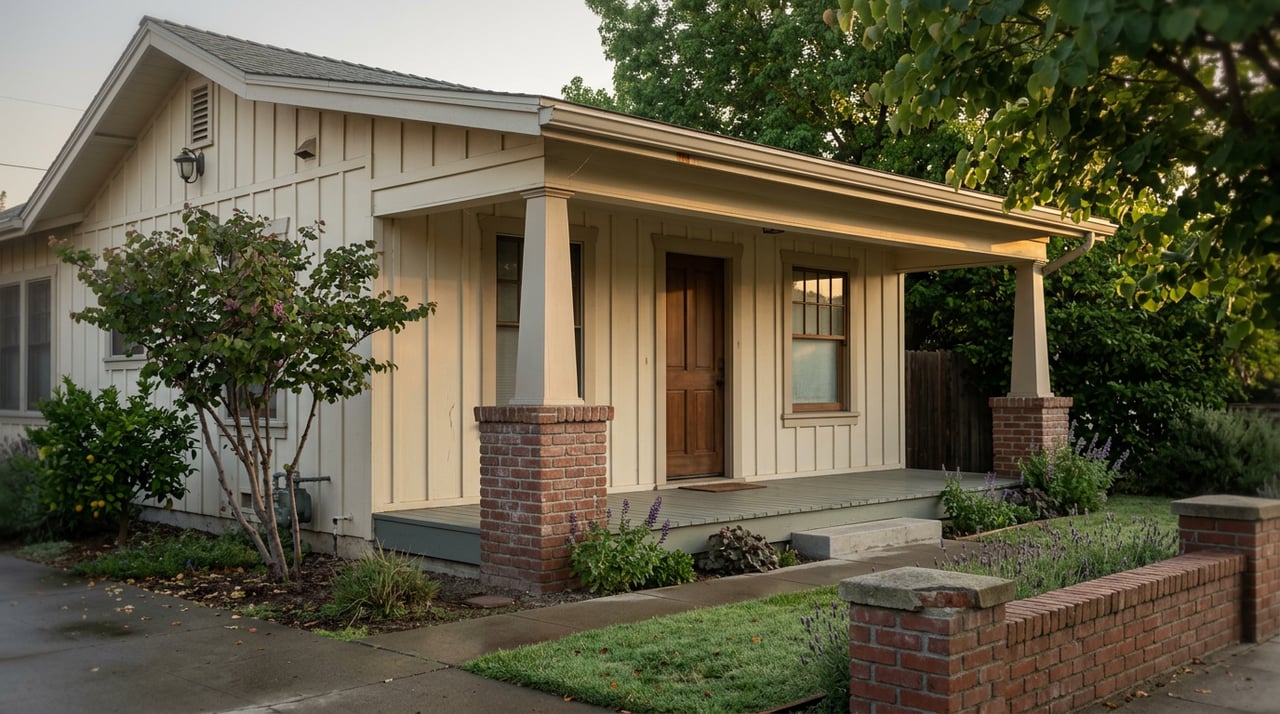
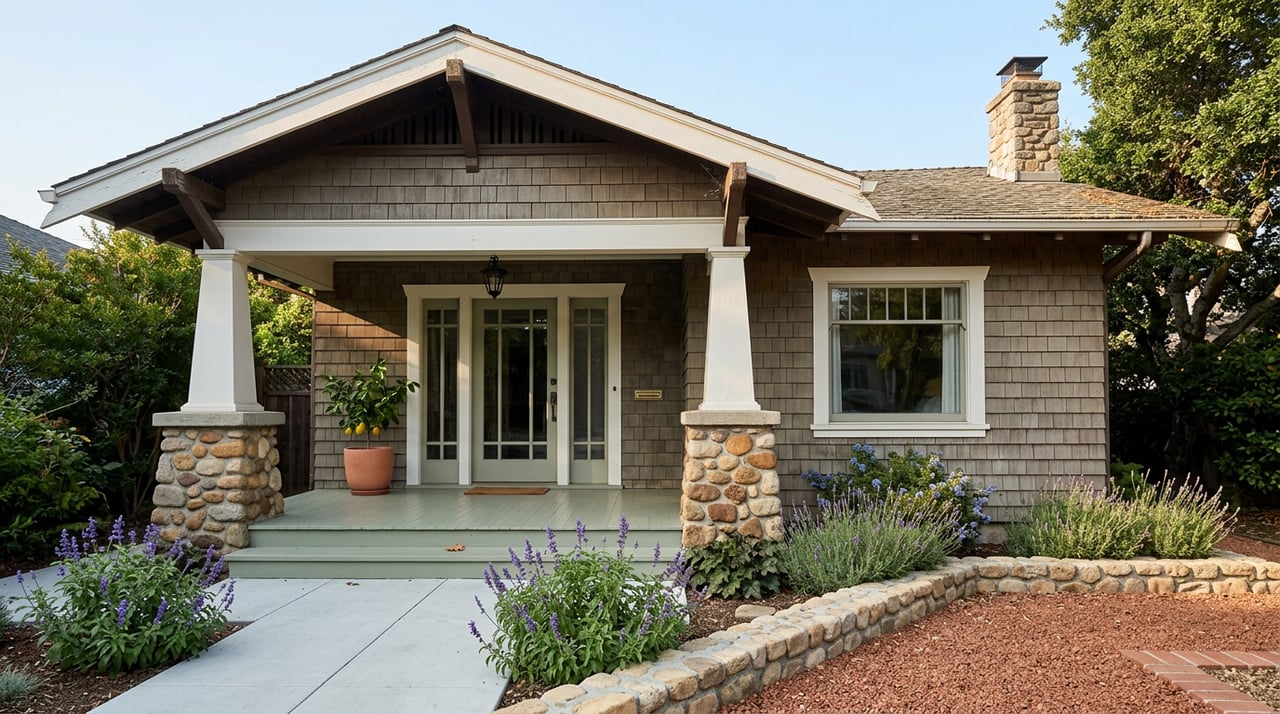
- Boost curb appeal: mow and edge, refresh mulch or planters, and clean the driveway and entry.
- Refresh the front door with paint, new house numbers, and a clean welcome mat.
These fixes are fast, affordable, and highly visible in photos and showings.
Pre-listing inspections: fix or disclose?
Ordering key inspections before you list helps you choose what to repair versus disclose, prevents last-minute surprises, and builds buyer confidence. A smart plan includes a general home inspection, a wood-destroying organism (WDO/termite) report, and targeted checks like roof, HVAC, and sewer scopes for older homes. A pre-inspection approach can reduce friction and days on market by letting you address high-impact items early. Learn more about why pre-inspections de-risk sales in this practical overview of seller strategies from Glen Park that also apply in our market. Read the pre-inspection guidance.
Termite and lender expectations
In California, termite/WDO reports are common, and some lenders or appraisers may require specific reporting or repairs when evidence is visible. The industry uses standardized NPMA and HUD-accepted forms, which help satisfy underwriting needs. See NPMA’s overview of WDO forms and HUD’s guidance on termite requirements. A WDO inspection often costs in the low hundreds in California, with common ranges around $75 to $200, depending on company and scope. Check typical WDO cost ranges.
Tip: If active infestation or wood damage is found, you can treat and repair before listing or disclose and price accordingly. Clear documentation gives buyers confidence either way.
Smart upgrades with solid ROI
If your pre-inspection flags repairs or your agent suggests targeted updates, focus on items buyers notice first.
- Fix obvious defects like roof leaks, electrical hazards, and plumbing drips.
- Refresh hardware and fixtures, and re-caulk or re-grout kitchens and baths.
- Consider light cosmetic updates to kitchens and baths rather than full gut remodels.
- Strengthen curb appeal. Regional analyses show exterior upgrades often punch above their weight on resale. A recent Cost vs. Value summary highlights how projects like garage door replacements tend to perform well at resale. Review Cost vs. Value insights.
Save major remodels for cases where the upside is clear, permits are feasible, and timing supports the work.
Staging, photos, and launch plan
Staging helps buyers visualize how to live in the space. National research shows nearly half of sellers’ agents report staging reduced time on market, and about 29 percent saw offer values increase between 1 and 10 percent. Focus on the living room, kitchen, and primary bedroom first. See NAR’s latest staging findings.
Pair staging with professional photos, a floor plan, and if helpful, a video or 3D tour. If the home is vacant, virtual staging can present warm, furnished rooms online at a lower cost. Launch strategy matters too. Many agents favor activating early in the week to capture first-week traffic.
Disclosures and safety checks in California
California requires most sellers of one-to-four unit homes to provide a Transfer Disclosure Statement (TDS) and a Natural Hazard Disclosure (NHD). Deliver these as early as possible. Late delivery can give buyers a short rescission window. Review TDS and NHD basics.
Other common time-of-sale items:
- Lead-based paint disclosure for homes built before 1978 (federal requirement).
- Water-heater bracing certification under California Health and Safety Code. See the bracing requirement.
- Smoke and carbon monoxide devices that meet State Fire Marshal and local rules.
Local permits matter too. The City of Redlands provides a One Stop Permit Center where you or your agent can check permit status and history. If work was done without permits, you must disclose it on the TDS, and you may need to resolve it before or during escrow. Visit Redlands’ One Stop Permit Center.
Your buyer-ready document packet
A complete packet speeds decisions and reduces renegotiations. Aim to assemble these before you list:
- TDS and NHD report
- General inspection and WDO/termite report
- Receipts for repairs and improvements
- Building permits and final inspection cards
- Appliance manuals and warranties
- HOA resale package and rules, if applicable
- Recent utility bills and past tax bills for any special assessments or Mello-Roos
Your agent can upload these to the MLS so buyers and their agents have what they need up front. Learn more about TDS expectations.
A 12-month prep timeline
Use this plan if you are 6 to 12 months out from listing.
9–12 months before listing
- Decide your ideal timing and budget.
- Ask a local REALTOR for a comparative market analysis and a high-level prep plan.
- If you’re considering a major project like a roof, kitchen, bath, or ADU, meet contractors and check permits now. Redlands’ One Stop Permit Center can help you understand timelines. Check permit resources.
3–6 months before listing
- Order a general home inspection and a WDO/termite report.
- Gather bids for recommended repairs and decide what to fix versus disclose.
- Start any multi-week contractor work like roof, HVAC, or exterior repairs. For why this early cadence reduces risk and saves days in escrow, see this seller-focused pre-inspection primer. Pre-inspection guide.
2–6 weeks before listing
- Complete cosmetic work: paint touch-ups, hardware swaps, landscaping.
- Stage the home or use strategic partial staging in key rooms.
- Schedule professional photos, a floor plan, and, if useful, a video or 3D tour.
- Finalize your disclosure packet and confirm certifications like water-heater bracing and smoke/CO devices. Water-heater bracing overview.
Listing week
- Activate your listing early in the week to capture buyer search momentum.
- Keep the home show-ready, maintain landscaping, and follow your showing plan.
When to bring in a local REALTOR
Loop in a REALTOR at least 6 to 12 weeks before you list, or earlier if you plan permits or major work. The right agent will:
- Prepare a neighborhood-level CMA and help set a realistic price.
- Prioritize repairs versus disclosures to protect your net.
- Coordinate inspectors, stagers, photographers, and vendors.
- Pull permits and parcel records, and assemble your disclosure packet.
- Advise on timing to match seasonal and local buyer demand.
Local context matters in Redlands. Neighborhood vibe, proximity to places like the University of Redlands, and historic or newer tracts can shape buyer expectations. An experienced Inland Empire agent helps you navigate those nuances and present your home at its best.
Ready to map your plan and timeline? Schedule a friendly, no-pressure conversation with Terri Barrett. With nearly three decades of Inland Empire experience, Terri will walk you through market trends, prep priorities, and a listing strategy that fits your goals.
FAQs
Do I have to fix everything an inspection finds?
- No. Pre-inspections give you options. Many sellers fix safety or major structural items, then disclose the rest and price accordingly. Why pre-inspections help.
Can I sell “as is” and skip disclosures in California?
- No. “As is” does not remove your duty to disclose known material facts, including the TDS and NHD. Disclosure overview.
How important is staging in Redlands?
- Research shows staging often shortens time on market and can boost offers in some cases. Focus on the living room, kitchen, and primary bedroom. NAR staging report.
Will a termite report block my sale?
- Not by itself. Active infestation or damage may require treatment or repair, and some loans expect specific WDO documentation. Pre-ordering a report lets you plan ahead. HUD guidance.
Which pre-listing inspections should I order?
- Start with a general home inspection and a WDO/termite report, then add roof, HVAC, or sewer scopes as age and condition suggest. Pre-inspection tips.
How much does a termite/WDO inspection cost?
- In California, many WDO inspections fall in the low-hundreds, often around $75 to $200, depending on company and scope. Typical cost ranges.