Thinking about buying or selling in Rancho Cucamonga and not sure where the market stands today? You are not alone. With shifting mortgage rates and low inventory, it can be hard to see the big picture. In this guide, you will get a plain‑English look at what drives prices, what to expect by neighborhood, and how to move forward with confidence. Let’s dive in.
Rancho Cucamonga snapshot
Rancho Cucamonga draws steady demand from commuters, families, and downsizers thanks to freeway access, Metrolink service, and proximity to Ontario International Airport. Lifestyle amenities like Victoria Gardens, parks, and trails add to the appeal.
Supply is dominated by resale single‑family homes with a smaller number of condos and townhomes. New construction arrives in periodic phases, especially in north Rancho and Day Creek, but development timelines and land constraints limit rapid increases in inventory.
Prices generally sit above much of San Bernardino County and below coastal Los Angeles or Orange County. Premiums concentrate in newer master‑planned areas and central, more walkable locations. For current figures, track live data from CRMLS or public market snapshots.
What buyers should know
Mortgage rates strongly shape affordability and buyer urgency. When rates ease, more buyers re‑enter and competition can pick up. In tighter inventory periods, updated or newer homes often sell faster and closer to list price.
Consider your commute and access to I‑10, I‑15, and Metrolink when comparing neighborhoods. Price per square foot varies by location, home age, and finishes, so compare recent sales within the same subdivision to set realistic expectations.
If you are deciding between a condo or a single‑family home, weigh HOA fees, maintenance, and long‑term resale potential. Newer or turnkey properties often command a premium, while older homes may offer value if you plan to update over time.
What sellers should know
Pricing to recent comps in your immediate neighborhood is key to a faster sale. Buyers are rate‑sensitive, so expect thoughtful financing questions, appraisal reviews, and requests for credits or repairs.
Small repairs and smart staging can boost appeal in the mid‑priced segments. If your home is newer or extensively updated, you may be able to do less staging and focus on professional photos and a clear showing plan.
Seasonality matters. Spring and early summer often bring more listings and showings. If you list during a quieter period, accurate pricing and strong marketing can help you stand out.
Neighborhood snapshots
Alta Loma
- Character: Larger lots, many hillside homes, and quieter streets. Outdoor space is a common draw.
- Typical buyer lens: Households seeking more privacy and yard space and valuing room to grow.
Etiwanda
- Character: Newer master‑planned communities with parks and planned amenities.
- Typical buyer lens: Move‑up buyers who want newer construction and neighborhood features.
Central Rancho / Victoria Gardens
- Character: Mix of condos, townhomes, and single‑family homes with the highest walkability and access to shopping and cultural venues.
- Typical buyer lens: Those who prioritize convenience, entertainment, and low‑maintenance living.
North Rancho / Day Creek area
- Character: Newer subdivisions with modern layouts and HOA amenities in select communities.
- Typical buyer lens: Buyers seeking near‑new or turnkey homes with community features.
Home types and price bands
- Condos and townhomes: Often the lowest entry point in the city. These cluster closer to central corridors and transit. HOA services and amenities vary.
- Standard single‑family homes: The most common resale type. Expect a wide spread in pricing between older tract homes and newer or fully updated properties.
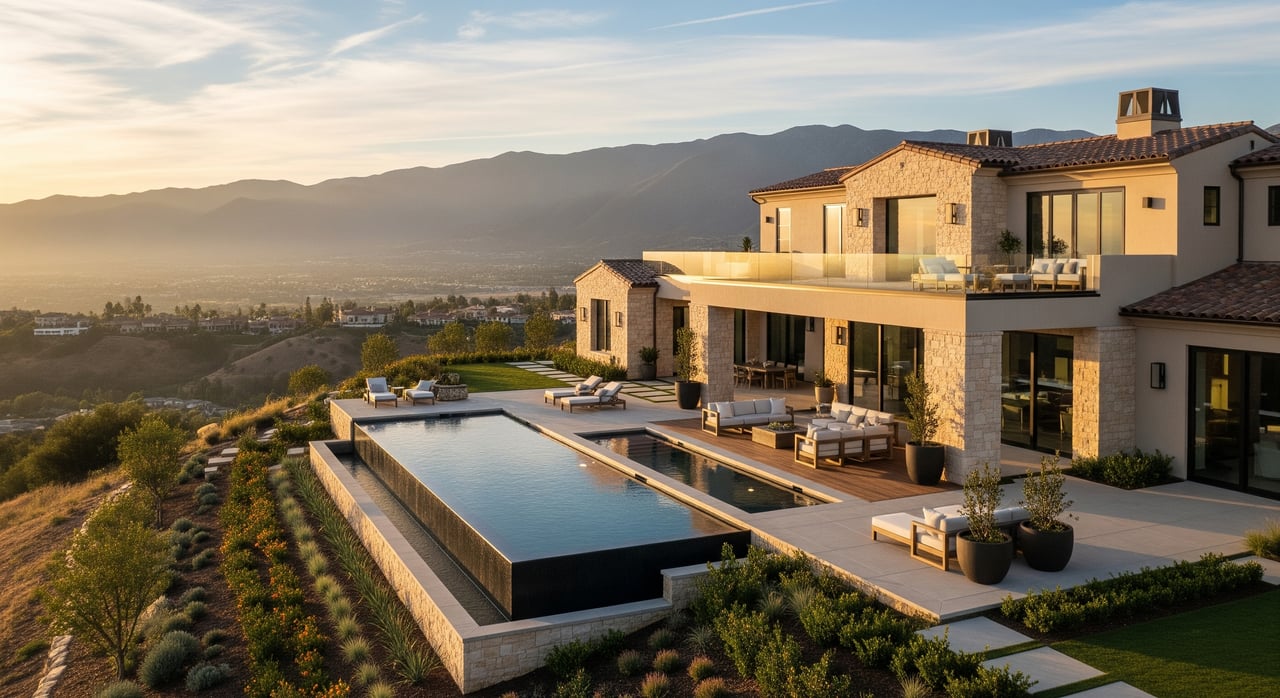
- Larger‑lot and estate homes: Found in foothill and hillside areas such as parts of Alta Loma and select Etiwanda pockets, typically at premium prices.
- New builds: Infill and phased master‑planned projects can offer modern features and energy efficiencies at a premium relative to nearby resales.
Instead of relying on one citywide median, compare price per square foot and recent sales for your specific neighborhood and property type. This approach will better match your budget and goals.
Key market drivers
- Commuter access: I‑10, I‑15, Metrolink, and proximity to Ontario International Airport support demand from regional commuters.
- Job growth: Inland Empire logistics and warehousing activity supports local employment and investor interest in single‑family rentals.
- Mortgage rates: Changes in interest rates significantly influence affordability and buyer activity.
- Seasonality: Spring and summer often see more listings and showings than late fall and winter.
- Schools and amenities: Local school reputation and lifestyle features like trails, parks, and retail centers contribute to neighborhood demand.
How to track the market
To understand whether it feels more like a buyer’s or seller’s market right now, watch:
- Months of inventory and active listings
- Median sale price and price per square foot by neighborhood
- Days on market and sale‑to‑list price ratio
- New listings versus pendings to gauge momentum
- Rental vacancy and median rents for investor context
For up‑to‑date numbers, compare CRMLS data with public snapshots from trusted market pages and regional reports. Confirm sale history and property details through county records when needed.
Quick buyer checklist
- Get a full pre‑approval, not just a pre‑qualification.
- Define your must‑haves versus nice‑to‑haves and set a clear walkaway price.
- Test commute routes to I‑10, I‑15, and Metrolink during your typical travel times.
- Compare price per square foot and recent comps within the same subdivision.
- Review HOA rules and fees if considering a condo or newer planned community.
- Think about long‑term resale: nearby schools, new development, and retail access can matter.
Quick seller checklist
- Price to the most recent comparable sales within 30–90 days in your subdivision.
- Tackle small repairs and cosmetic updates that deliver visible impact.
- Prepare for appraisal by documenting upgrades and recent improvements.
- Optimize showings with strong photos, clear access, and flexible scheduling.
- Discuss buyer incentives and timing strategies if listing outside peak season.
New construction insights
New supply in Rancho Cucamonga tends to arrive in phases rather than in large waves. Projects in north Rancho and the Day Creek area add modern floor plans and community amenities, but permitting, topography, and infrastructure costs limit rapid growth. If you prefer a new or near‑new home, compare builder incentives with nearby resale options and weigh HOA features, energy efficiency, and timelines.
When you want neighborhood‑level pricing and a plan tailored to your goals, connect with a local expert who works these streets every day. If you would like one‑on‑one guidance, reach out to Terri Barrett to Schedule a Free Consultation.
FAQs
Is Rancho Cucamonga a buyer’s or seller’s market right now?
- Check months of inventory, days on market, and the sale‑to‑list price ratio for the latest read. Lower inventory and faster sales favor sellers, while higher inventory gives buyers more leverage.
How do Rancho Cucamonga prices compare to LA/OC?
- Prices here typically sit below coastal Los Angeles and Orange County but above much of San Bernardino County. Weigh commute times, taxes, and lifestyle tradeoffs when comparing.
What neighborhoods are more walkable in Rancho Cucamonga?
- Central areas near Victoria Gardens offer the highest walkability and access to shopping and cultural venues. Confirm specific blocks and amenities during showings.
How do mortgage rates affect what I can afford here?
- Rate changes shift your monthly payment and purchase power. When rates drop, more buyers enter, which can increase competition. Budget with a pre‑approval and stress‑test different rate scenarios.
Do schools affect home prices in Rancho Cucamonga?
- School reputation often influences demand and pricing. Verify boundaries and performance through official district resources and independent rating sites.
Is investing in a Rancho Cucamonga rental a good idea?
- Investor activity often tracks rent growth and job trends tied to Inland Empire logistics. Review rental vacancy, median rents, and local regulations, and analyze yield using recent comps and realistic expenses.