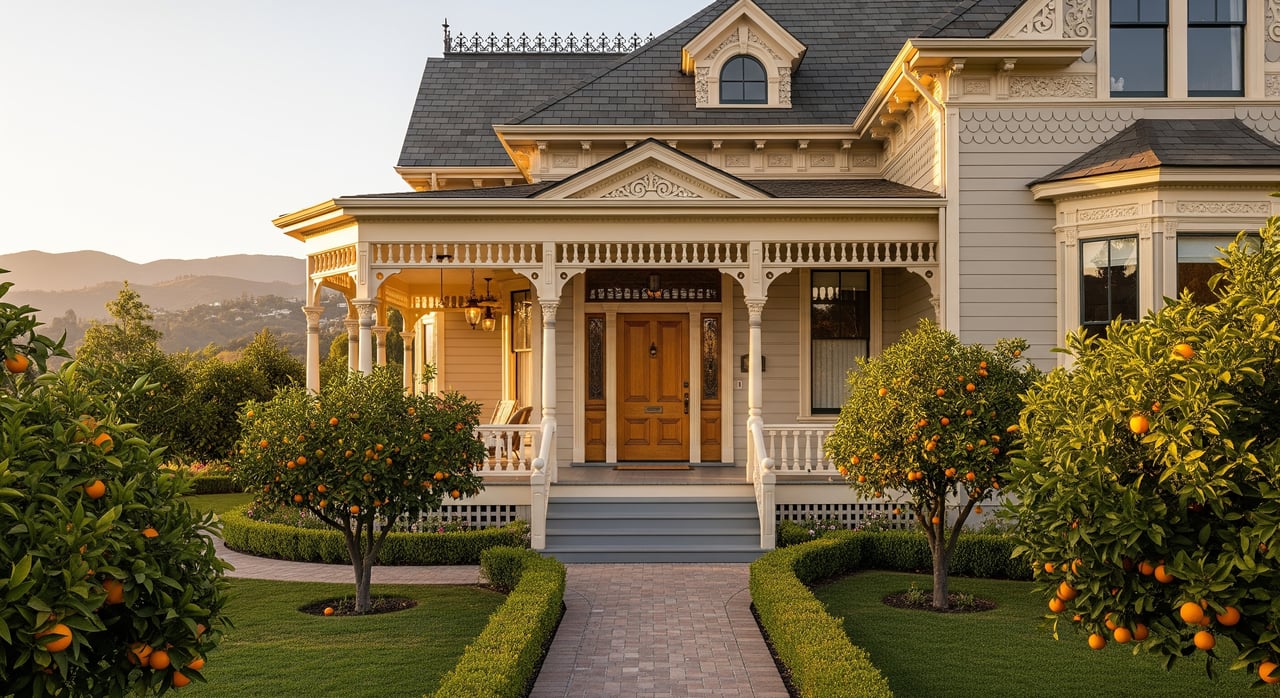
Picture yourself on a shady front porch, citrus on the breeze, admiring original woodwork and a classic Redlands bungalow. If that sounds like home, you also know historic houses come with extra questions about rules, costs, and care. You want charm without surprises. In this guide, you’ll learn what “historic” really means in Redlands, how design rules may apply, the inspections you should not skip, incentives you can explore, and smart steps to buy with confidence. Let’s dive in.
What makes a home historic
“Historic” is more than old. Many programs use a 50-year age guideline, but age alone is not enough. A property is typically considered historic because it has significance and integrity. Significance can be architectural, tied to notable people or events, or because the home contributes to a historic district.
Integrity means key features are still intact. Original windows, siding, rooflines, porches, and floor plans often matter. When you shop in Redlands, expect older homes to vary widely in how much original character remains.
Designation levels to know
National and state recognition
- National Register of Historic Places recognizes significance at the federal level. Listing is mainly honorary and does not restrict private owners unless federal funds or permits are involved.
- The California Register of Historical Resources serves a similar role at the state level. Like the National Register, it often opens doors to incentives but does not typically limit what a private owner can do by itself.
Local designation and districts
- Local landmark status or a local historic district usually carries the most direct rules for owners. Cities often require design review or a Certificate of Appropriateness for exterior changes, additions, or demolition.
- Interior changes are usually less regulated unless a separate easement or covenant applies.
Why it matters for your purchase
- Local designation can affect your timeline and budget for exterior work. Plan for design review, material standards, and potential permit steps.
- Federal or state listing may make incentives available, especially for income-producing properties, but it usually does not restrict private residential changes on its own.
- Always verify a property’s status with City of Redlands planning or historic preservation staff and review San Bernardino County records before you write an offer.
Redlands styles you’ll find
Craftsman and California Bungalow
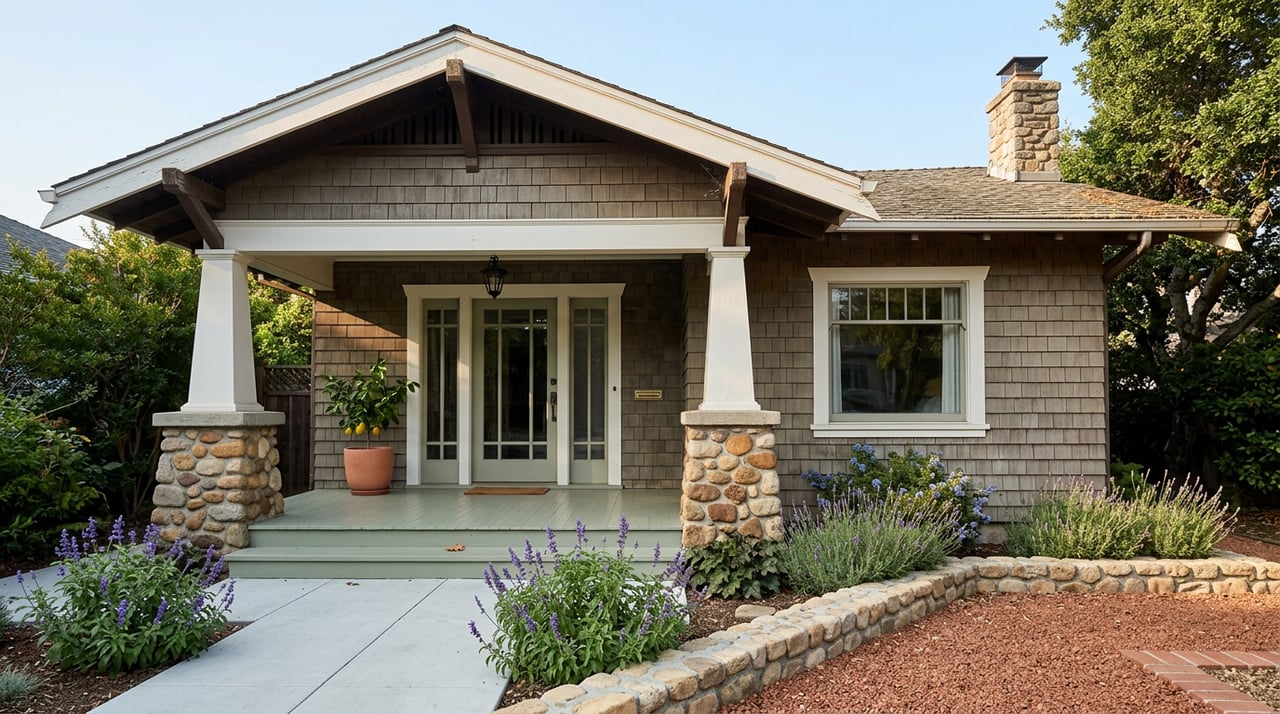
These are Redlands favorites. Look for low-pitched gable roofs, wide eaves with exposed rafters, generous porches, and wood windows. Many are single-story or one-and-a-half-story homes that highlight local materials and hand-crafted details.
Victorian era
You may see Queen Anne or Italianate examples from the late 1800s. Expect asymmetry, decorative woodwork, and detailed porches. These homes are less common than bungalows but stand out as striking landmarks.
Spanish, Mission, and Mediterranean
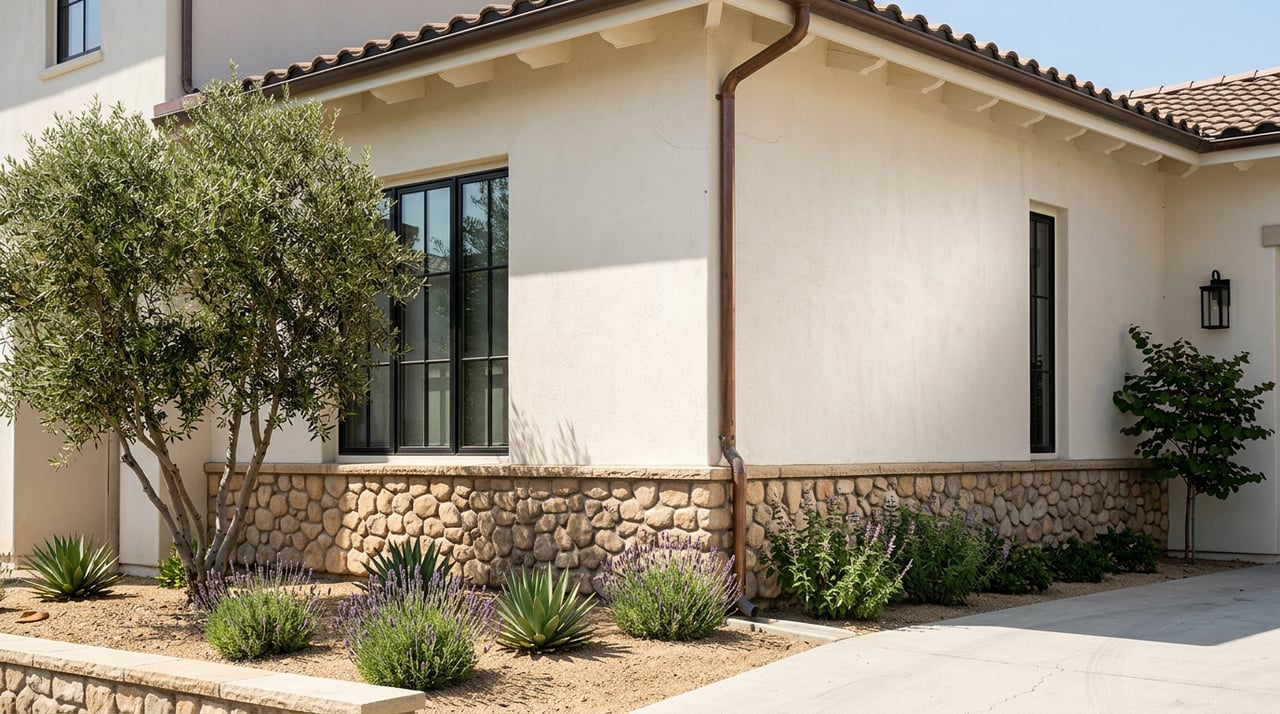
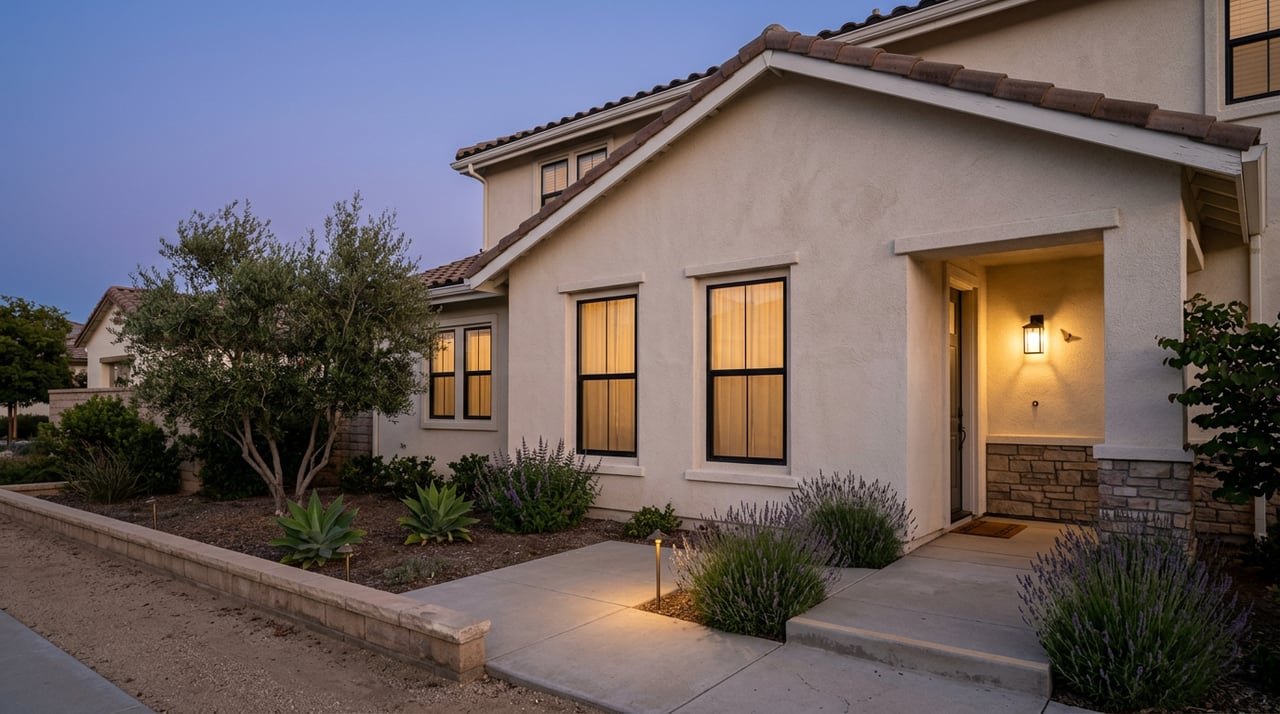
Stucco walls, clay tile roofs, and arched openings are common in these early 20th-century styles. You will find them scattered through Redlands’ older neighborhoods and civic areas.
Other period revivals
Colonial Revival and Tudor Revival appear in pockets. These homes often follow national trends of their era with distinctive trim, rooflines, and entries.
Rules, permits, and exterior changes
If a Redlands property has local landmark status or sits inside a local historic district, exterior changes often require city review. Windows, doors, siding, roof materials, additions, and sometimes paint colors may be part of the review. Demolition of a significant structure can face stricter standards or moratoria.
Interior changes are usually more flexible. Exceptions include properties with recorded preservation easements or specific agreements that address interior features. Ask your agent and escrow team to pull title and permit history early so you know what applies.
Easements, covenants, and recorded limits
Some historic homes have voluntary preservation easements or covenants that run with the land. These can limit changes that would affect character-defining features. Mills Act contracts, which focus on maintenance in exchange for potential tax benefits, are also recorded on title. Confirm all recorded documents during escrow so you understand your obligations.
The Mills Act basics
The Mills Act is a California program that allows cities and counties to offer property tax relief to owners of qualified historic properties in exchange for ongoing preservation. Contracts typically last for 10 years and renew automatically each year. Owners agree to maintain and preserve the property following a plan, and their property is assessed under special rules that often lower annual taxes.
Key points to remember:
- Eligibility and benefits depend on the local government’s program. Cities set their own application process, criteria, and limits on the number of contracts.
- You cannot apply Mills Act benefits unless your city has an active program. Always confirm current program status with the City of Redlands and ask the San Bernardino County Assessor about assessment methods for Mills Act properties.
- Tax savings vary by property and assessment. Get professional guidance before you count on a specific amount.
Other incentives to explore
- Federal or state rehabilitation tax credits typically help income-producing properties more than private residences. Check program details if the home has a rental or commercial component.
- Grants or low-interest loans may be available through preservation organizations or public programs. These are limited and competitive and usually require a preservation plan.
- Utility rebates for energy efficiency can offset upgrade costs. Plan improvements in a way that respects historic materials and appearances.
Costs, insurance, and maintenance
Older homes can cost more to maintain. Matching original materials and construction methods can be more expensive and may take more time to schedule. Plan a realistic budget for routine care and for restoring character features you want to keep.
Insurance can also be different. Some insurers will require system upgrades or offer limited coverage on older components. Specialty historic home policies exist but can be pricier. Shop quotes before you commit so you can compare coverage and costs.
Expect energy efficiency to be part of your plan. Many older homes have limited insulation, older windows, and outdated systems. You can often improve comfort and performance while preserving original features.
Inspections you should not skip
Protect your budget and peace of mind with a thorough inspection plan. In Southern California’s climate and seismic zone, certain checks are especially important.
- General home inspection by a pro experienced with older homes
- Structural engineer evaluation for foundation, framing, and seismic connections
- Pest and wood-destroying organism inspection for termites and dry rot
- Electrical inspection for knob-and-tube wiring, grounding, and service capacity
- Plumbing inspection for galvanized or cast-iron lines and potential lead issues
- Hazardous materials survey for lead-based paint and asbestos if you plan renovations
- Roof and drainage evaluation for leaks, flashing, and gutter function
Also request permit history, renovation plans, and contractor receipts from the seller. This helps confirm work was permitted and up to code.
Verify status and rules first
Before you make major plans, confirm whether the property is locally designated, listed in state or national registers, or part of a local historic district. Ask City of Redlands planning or historic preservation staff for district maps, designation lists, and design guidelines. If you are considering the Mills Act or other incentives, contact the city and the San Bernardino County Assessor early to learn about current program details.
Financing options for historic homes
Most buyers use a conventional mortgage, which requires the home to meet basic habitability standards. Lenders may flag significant deferred maintenance or non-standard features, so clear communication and a strong pre-approval help.
If you plan to renovate, explore renovation loans:
- FHA 203(k) Rehabilitation Mortgage for purchase plus rehab on owner-occupied homes. Program details and lender availability vary.
- Fannie Mae HomeStyle Renovation loan, a conventional option that can finance repairs along with the purchase.
Local or state rehab loan programs may also exist. Talk with a lender who understands older homes and can guide you on required bids, timelines, and appraisal expectations.
Smart offer strategy
- Build a realistic repair budget and price your offer accordingly. Use inspection findings to refine it.
- Include strong inspection contingencies and allow time to consult with structural, electrical, and plumbing pros, plus a preservation architect if needed.
- Ask for seller disclosures, permits, and plans up front. Verify with the city where possible.
- If you plan exterior changes, speak with city preservation staff during due diligence so you know what is likely to be approved.
- If you are exploring the Mills Act, start that verification process right away. Contract timing and documentation can affect your plans and tax assumptions.
Your Redlands game plan
- Define your must-haves and preferred styles. Craftsman, bungalow, Spanish, or Victorian each have different maintenance profiles and features.
- Get pre-approved and talk with a contractor or preservation architect about your budget for repairs and updates.
- For each property you like, verify designation status and read any local design guidelines that apply.
- Write a clean offer with inspection windows that allow specialized evaluations.
- During escrow, pull insurance quotes, confirm permit history, and meet with city staff for early feedback on planned work.
- Create a phased ownership plan that tackles safety and systems first, then energy efficiency and cosmetic restorations.
Ready to put expert guidance to work on your historic-home search in Redlands and across the Inland Empire? Reach out to Terri Barrett for steady, step-by-step representation that protects your interests from offer to closing.
FAQs
Historic home designation in Redlands: how do I check?
- Contact City of Redlands planning or historic preservation staff and review county property records to confirm local, state, or national status.
Do local rules limit interior remodels in Redlands historic homes?
- Interiors are usually less regulated than exteriors unless an easement or specific covenant applies, so verify recorded documents and local code.
What inspections are most critical for older Redlands houses?
- Structural, termite and WDO, electrical, plumbing, hazardous materials, and roof or drainage inspections are key in due diligence.
Can I get property tax relief for restoring a historic home?
- The Mills Act can lower property taxes where a local program exists and the home qualifies, so confirm current program status with the city and county assessor.
Will owning a historic home make insurance harder or pricier?
- Some insurers require upgrades or offer limited coverage on older systems, and specialty historic policies may carry higher premiums, so get quotes early.
Do historic rules hurt resale value in Redlands?
- It depends on buyer demand, neighborhood identity, and condition; strong historic areas can support value while heavy restrictions or deferred maintenance can weigh on price.