Thinking about selling your Redlands home and wondering if late winter or spring will give you the best result? You are not alone. Timing your list date can change how quickly you sell and what you net at closing. In this guide, you will learn how Redlands’ seasonality works, what to expect with days on market, how pricing and prep should shift by month, and a step-by-step plan to get market-ready. Let’s dive in.
When Redlands homes sell fastest
Redlands follows a familiar Inland Empire rhythm. Buyer activity usually builds in late winter and peaks in spring. That increase in showings often leads to faster sales and stronger offers in March through May.
Inventory also rises in spring. You will face more competing listings, but there are also more active buyers touring homes each week. The result is that days on market typically shorten in spring and lengthen in late fall and winter.
Redlands’ mild climate and steady interest in character homes near downtown and historic areas keep demand present year-round. Seasonality still shows up, but it is not extreme. Spring tends to outperform late winter for speed and price, especially when your home is well prepared.
Late winter vs. spring: What changes
Late winter, from February to early March, tends to have fewer new listings. With less competition, a well-priced home can stand out. Showings are moderate and buyers who are out shopping are often serious, including cash or relocation buyers.
In spring, mid-March through May, buyer traffic is highest. More showings usually translate to quicker offers and a higher chance of multiple bids, especially when inventory remains tight. Pricing can be set closer to market value or slightly above because buyer volume is stronger.
By early summer, momentum can ease as families finalize plans and inventory may remain higher than in spring, depending on the year. Late summer and fall often bring slower buyer activity and longer days on market.
How timing shapes your pricing strategy
If you target spring, you can usually support a more confident list price because more buyers are looking. The key is to present a market-ready home that compares well to new inventory arriving each week. Good prep plus accurate pricing is what produces the best net in this window.
If you list in late winter, lean into realism on price and maximize presentation. The buyer pool is smaller, so your home should hit the market clean, repaired, and well photographed to capture attention fast. A strategic price that reflects current comps can reduce time on market and protect your bottom line.
Always factor in carrying costs. If a late-winter list sits too long due to an ambitious price, extra months of mortgage, utilities, and maintenance can erode your net. The right price and a strong launch plan help you avoid that drag.
Prep matters more than the month
Well-prepared homes outperform poorly prepared ones in any season. A focused plan helps you control what you can, no matter when you list.
- Repairs and updates: Address safety and system items first, like roof, HVAC, plumbing, and electrical. Then consider high-ROI cosmetic updates such as fresh paint, light fixtures, and a kitchen or bath refresh.
- Staging and photos: Professional staging and high-quality photography shorten days on market, especially when competing inventory rises in spring.
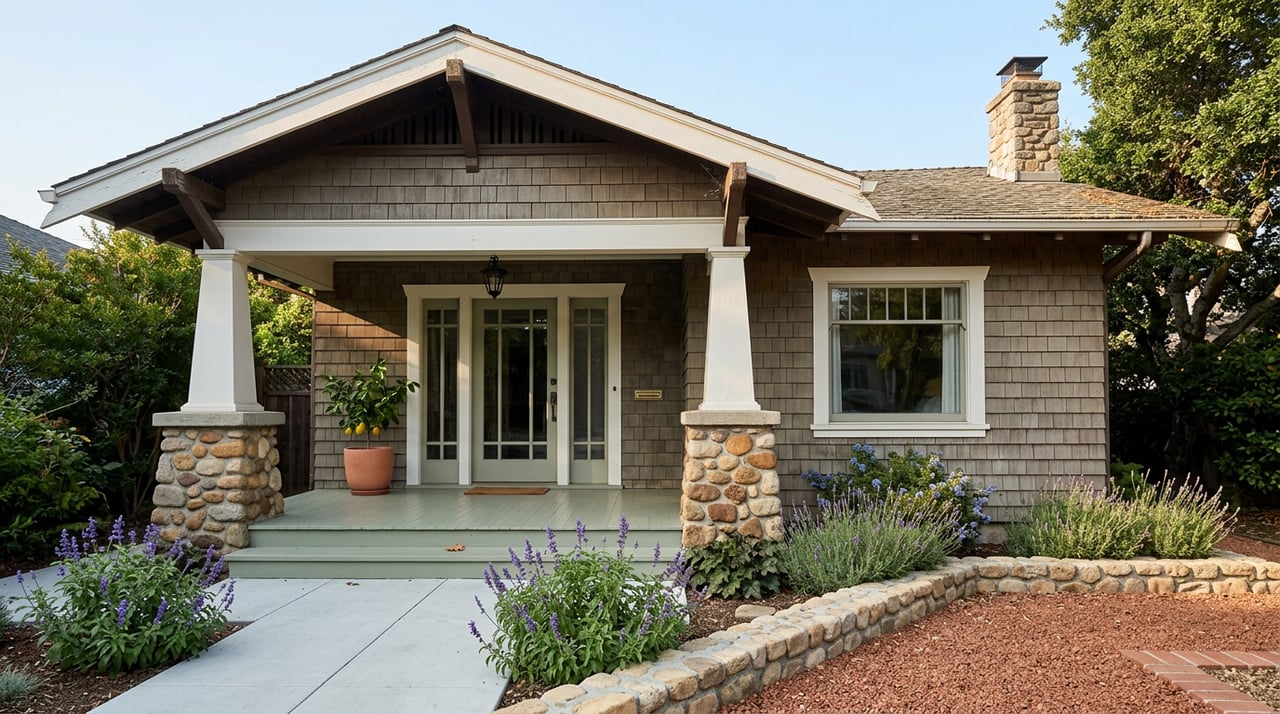
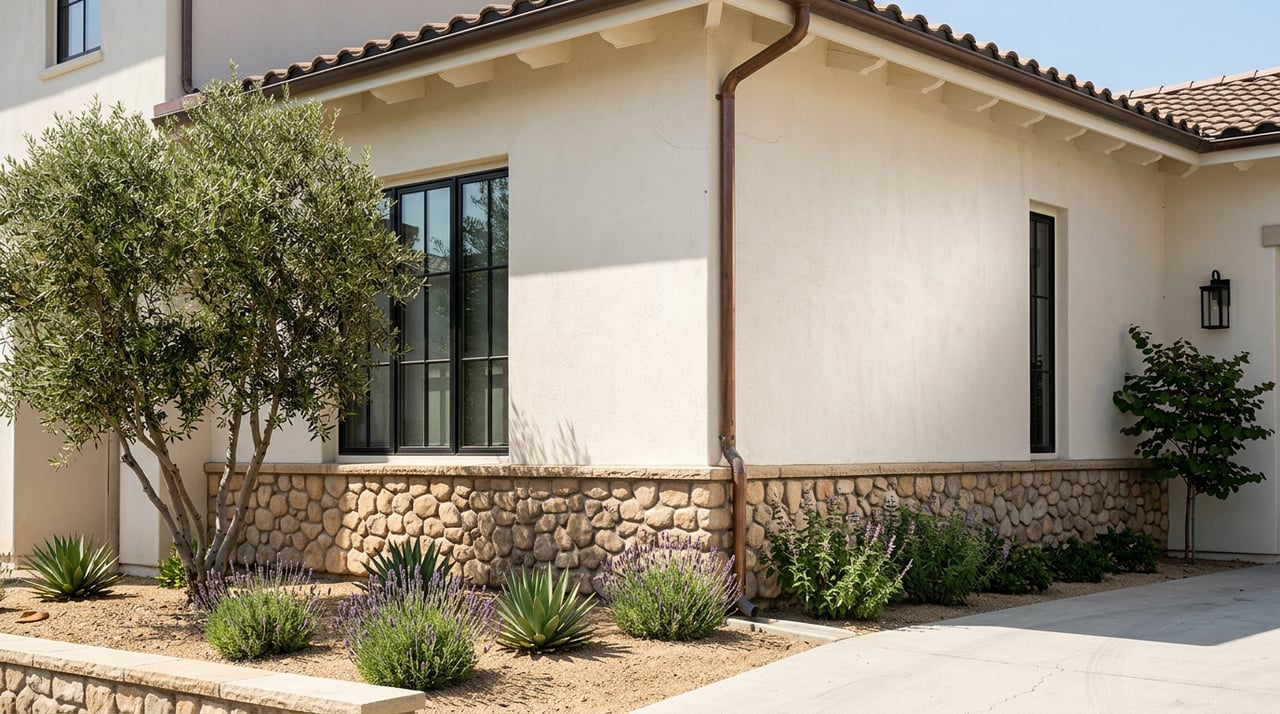
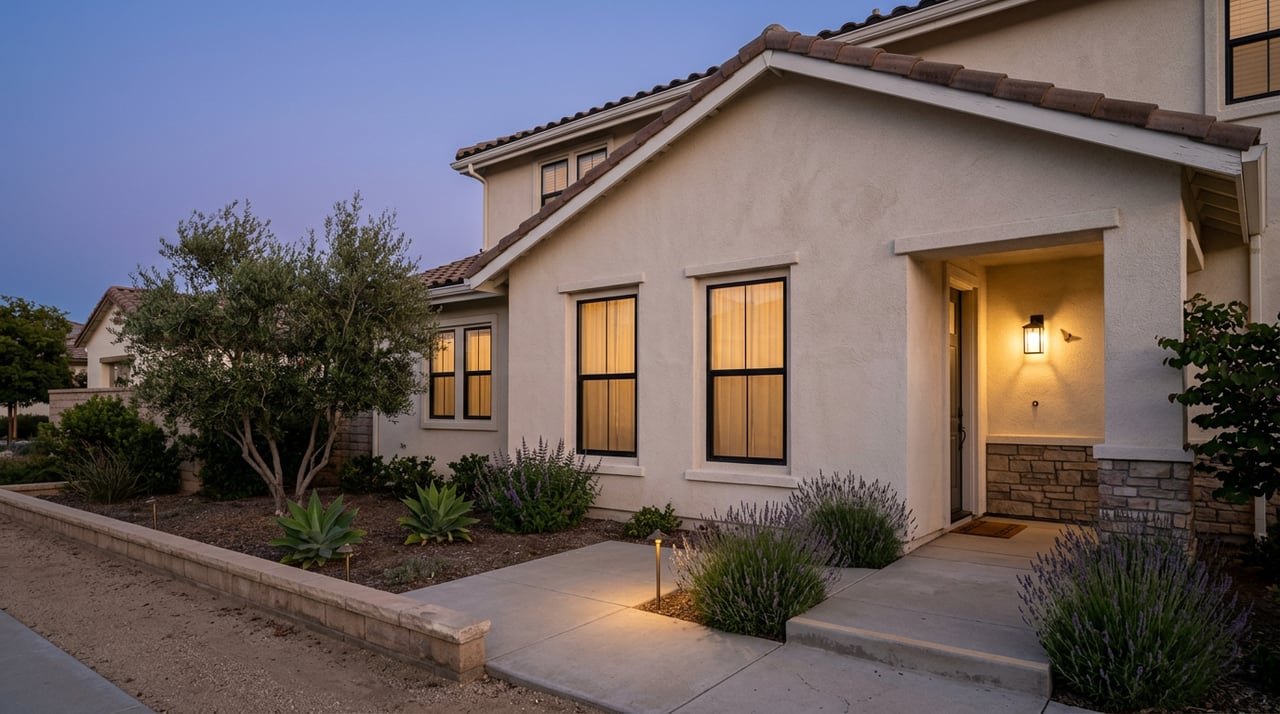
- Landscaping and curb appeal: Spring blossoms and green lawns photograph beautifully. If you plan a late-winter list, keep the yard trimmed, add fresh mulch, and use seasonal planters so photos do not feel dormant.
- Permits and disclosures: Review your permit history and gather required disclosures early. Clean paperwork builds buyer confidence and helps you negotiate from strength.
A 3–6 month plan for your list date
Starting early gives you options. Use this timeline to prepare for late winter or spring.
If you want to list in late winter (Feb to early Mar)
- Weeks 0–6: Get a valuation, book a prep consult, declutter, and request quotes for priority repairs.
- Weeks 6–10: Complete essential repairs, deep clean, begin staging, and schedule professional photos for listing week.
- Weeks 10–12+: Do a final walkthrough, set pricing with your agent, and finalize disclosures and marketing materials.
Notes: Late winter can work well if your home is already close to market-ready. Expect fewer showings than spring but less competition from new listings.
If you want to list in spring (Apr to May)
- Months 3–6 out: Start with a valuation and a prep consult. Plan and budget for meaningful updates that matter to local buyers, like curb appeal and light cosmetic refreshes.
- Months 2–3 out: Finish repairs and staging. Book photography to capture your yard at its best.
- Weeks 2–4 out: Complete a deep clean, consider a pre-listing inspection if appropriate, and finalize your marketing plan.
Notes: Spring often delivers peak buyer demand. Listing early in the window after finishing prep can help you stand out before inventory stacks up.
Timing checklist
- Valuation and pricing plan
- Pre-listing repair priority list
- Permit and disclosure review
- Staging, photography, and marketing schedule
- Open house and showing plan that aligns with local buyer traffic
Choosing your best window
Here is a quick way to weigh late winter against spring in Redlands.
- Late winter pros: Less competition, the chance to attract motivated buyers, and useful if your move timeline is sooner.
- Late winter cons: Smaller buyer pool and landscaping may be less photo-ready. Pricing must be realistic to avoid longer days on market.
- Spring pros: Highest buyer activity, shorter days on market, and better natural light and curb appeal in photos.
- Spring cons: More competing listings, so you must be competitive on both price and presentation.
If your home is already in great shape and you want to move quickly, late winter can be the right call. If you need time for repairs or you want to target the largest buyer audience, plan for a spring launch.
External factors to watch in Redlands
Interest rates and financing conditions influence how many buyers are active and what they can afford. Rising rates can mute the usual spring bump. Keep an eye on local supply, such as new developments hitting the market, which can expand buyer options and shape pricing.
Economic factors like employment and consumer confidence also affect demand. Local calendars, including the University of Redlands schedule and family move timelines, can nudge buyer activity toward spring and early summer.
How to adapt your pricing and prep
No matter the season, tie your price to recent comparable sales and current active competition. Use a clear set of comps and consider your home’s standout features, condition, and improvements. If multiple similar homes are set to list in spring, you may decide to be first to market in late winter, or wait until you can debut with top-tier staging.
Your launch week matters. Aim to go live when you can accommodate showings, have fresh photos, and have your disclosures ready. Consider a pre-listing inspection if you anticipate questions about roof, HVAC, or other systems. Removing surprises can protect your net and keep escrow on schedule.
A simple decision framework
Ask yourself these questions as you choose a target date:
- Is my home market-ready today, or do I need time for repairs and updates?
- Do I want the largest buyer pool, or less competition from other listings?
- How would one or two extra months of carrying costs affect my net?
- Can I list early in the spring window to get ahead of the surge?
Your answers will point you to a list date that fits both the market’s rhythm and your personal timing.
Ready to plan your sale?
You deserve a smooth, well-prepared sale that meets your goals. If you are deciding between late winter and spring in Redlands, start with a valuation and a prep consult, then map your timeline so you hit the market with confidence. For guidance tailored to your neighborhood and property, connect with Terri Barrett to plan your next steps.
FAQs
What is the best month to sell a home in Redlands?
- Spring often performs best for speed and price because buyer traffic is highest, though a well-prepared home can sell well in late winter with the right price and presentation.
How do days on market change between late winter and spring in Redlands?
- Days on market typically shorten in spring and are longer in late fall and winter, reflecting higher buyer activity in the March to May window.
Should I list in late winter to avoid competition in Redlands?
- Listing in late winter can work if your home is market-ready and priced accurately, since there are usually fewer new listings but also a smaller buyer pool.
How much prep time should I allow before listing my Redlands home?
- Plan for 3 to 6 months so you can complete repairs, staging, professional photos, and disclosures without rushing your launch.
Do I need a pre-listing inspection before selling in Redlands?
- A pre-listing inspection is optional but can reduce surprises in escrow and build buyer confidence if you expect questions about systems or repairs.