Thinking about moving to Redlands but not sure what daily life really looks like? You are not alone. Choosing a new city is a big decision, and you want clear, practical details before you commit. In this guide, you will learn what Redlands feels like, how people get around, where key services are located, and what to expect from housing, schools, and local amenities. Let’s dive in.
Redlands at a glance
Redlands is a mid-sized Inland Empire city known for its historic downtown, tree-lined streets, and a strong civic and college presence centered on the University of Redlands. Many residents describe the feel as small-town charm with a lively cultural calendar and classic architecture. You will find a visible citrus heritage alongside modern conveniences and a walkable downtown core.
The city’s population is approximately 73,000, based on recent Census counts. Neighborhoods range from historic homes near downtown to newer subdivisions and small multifamily communities along commercial corridors. You also get plenty of sunshine, hot dry summers, and mild winters, with mountain recreation close by.
Redlands keeps a thriving cultural life. The longtime summer concert series at the Redlands Bowl draws crowds for free performances, and local institutions like the A.K. Smiley Public Library and Lincoln Memorial Shrine anchor the city’s historic identity. Weekend events, farmers markets, and university programming add to the community feel.
Neighborhoods and housing
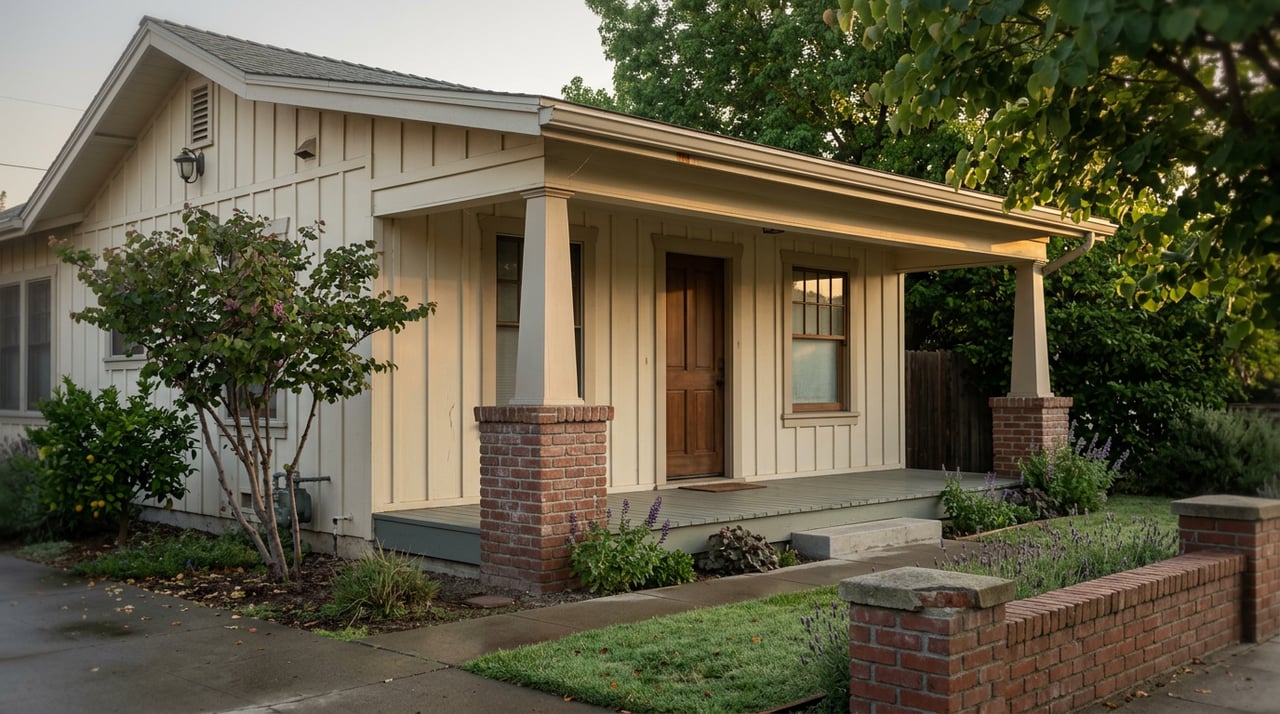
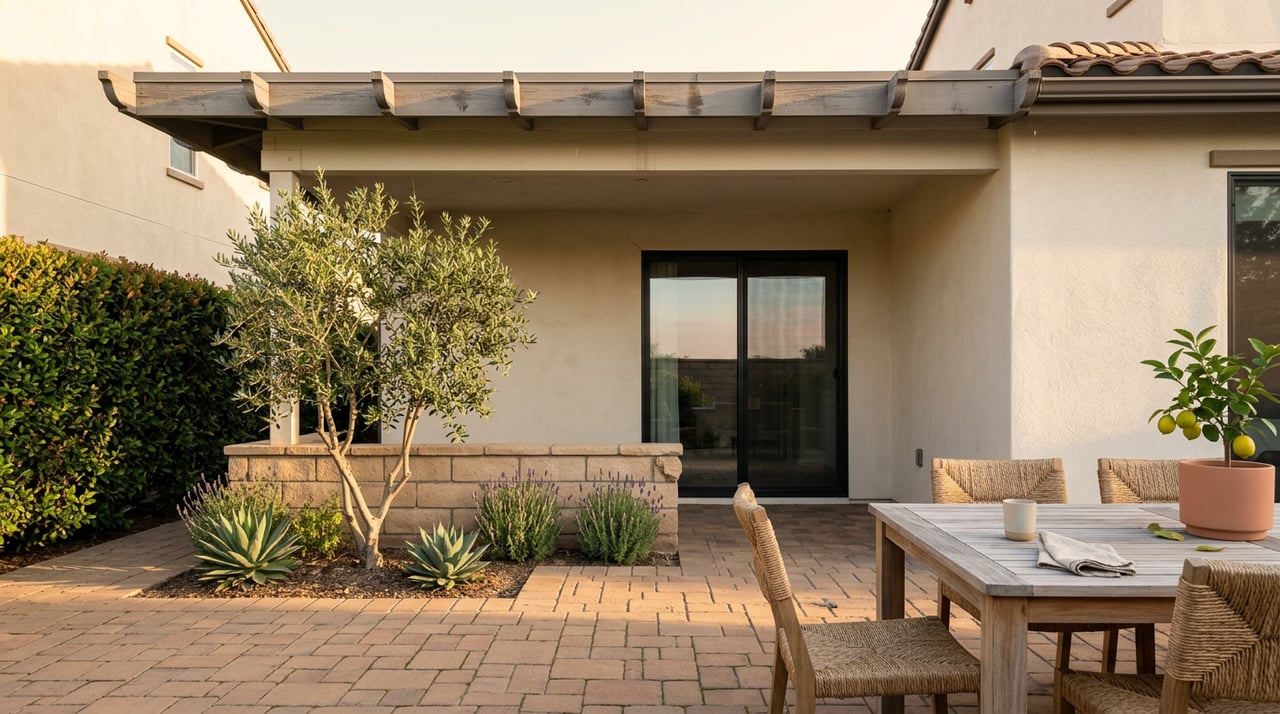
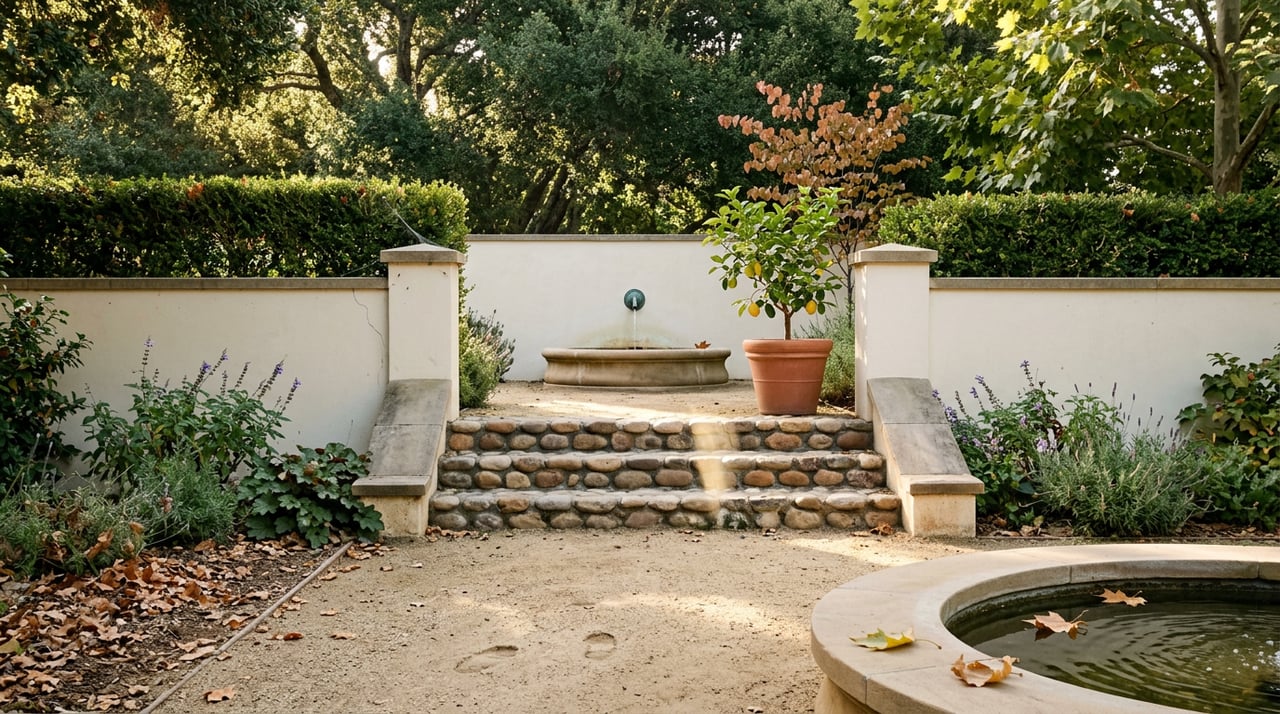
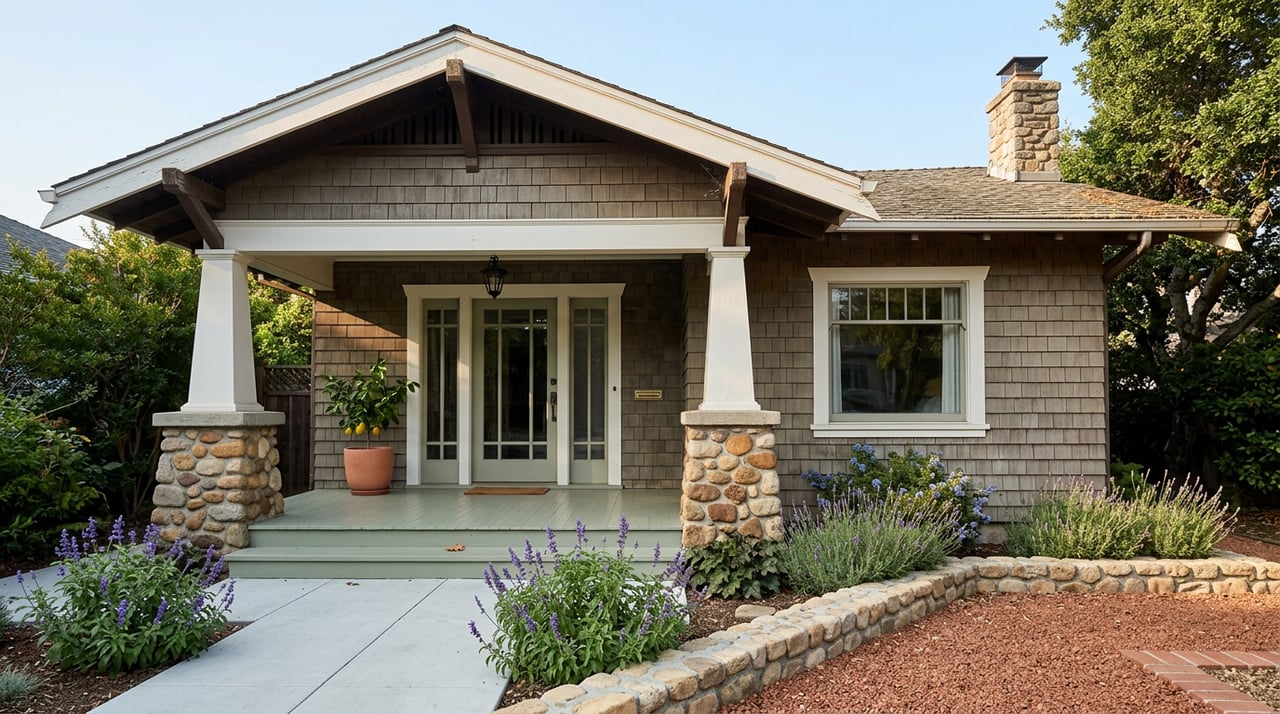
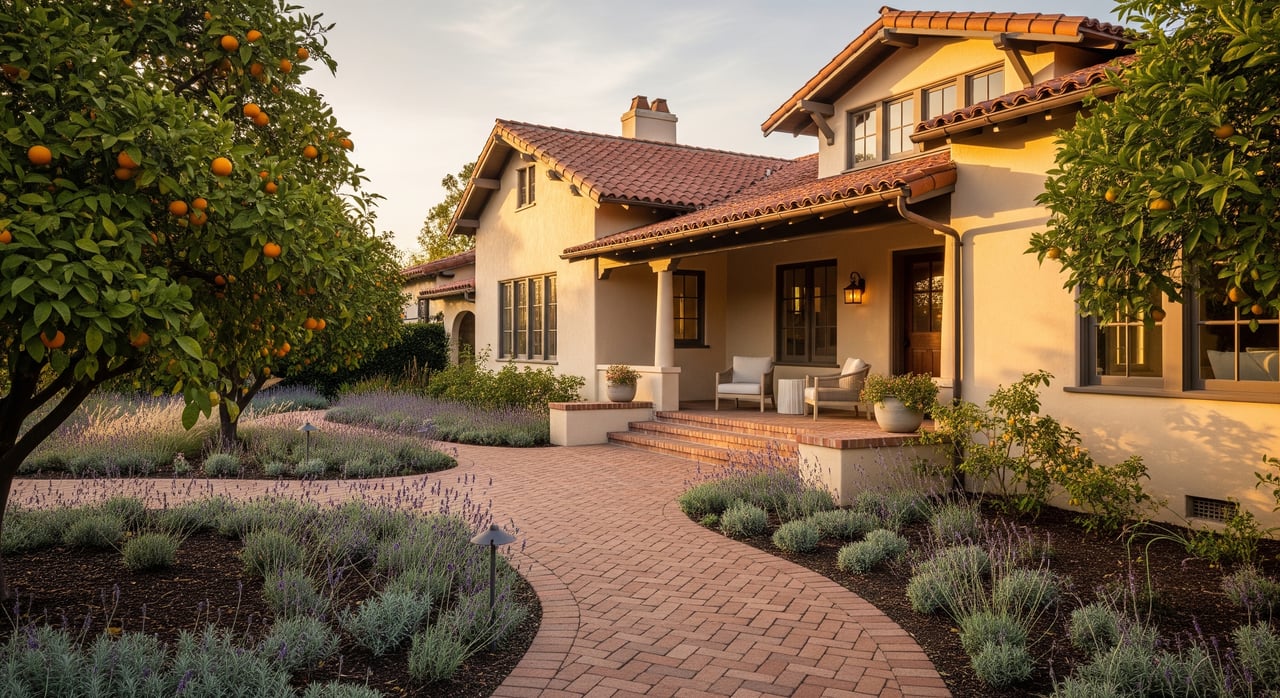
Housing in Redlands offers real variety. Near the historic core, you will see Victorian, Craftsman, and Spanish Colonial homes on larger lots. In outlying tracts, you will find post-war to 1990s single-family homes with smaller yards. Newer infill projects and townhomes appear closer to shopping and transit, with some multifamily options along major corridors.
Affordability depends on location, home age, and lot size. Redlands generally costs less than many coastal Los Angeles and Orange County areas, and more than some Inland Empire neighbors. Because market conditions change quickly, it helps to pair your budget and lifestyle goals with a clear search strategy and local guidance.
If you are exploring Redlands for the first time, focus on how you want to live day to day. Consider walkability near downtown, commute routes to your job, proximity to parks, and your preferred home style. Then compare a few micro-areas to see where your needs align best.
Schools and learning
Redlands is primarily served by Redlands Unified School District. The district includes multiple elementary and middle schools and several high schools, including Redlands High School and Redlands East Valley High School. Since performance can vary by campus and programs, review current information directly from the Redlands Unified School District and the California Department of Education.
For higher education and community events, the University of Redlands is a local fixture. Nearby options include community colleges in Yucaipa and the Riverside–San Bernardino area. When comparing neighborhoods, consider your commute to specific campuses or programs that matter to you.
Getting around and commuting
Interstate 10 is the primary east-west artery through Redlands, connecting you to San Bernardino, Riverside, Ontario, and Los Angeles County. Like much of the Inland Empire, drive times depend on time of day and destination, so plan for peak-hour variability if you work outside the city.
If you prefer rail connections, the Arrow passenger service links Redlands to the San Bernardino Transit Center, where you can connect to regional services. Check the SBCTA Arrow page for the latest schedules and connections. Local and regional buses are provided by Omnitrans, which serves major corridors and employment centers.
For air travel, Ontario International Airport is the closest major option and is typically the most convenient for domestic flights. You can explore flight options and services at Ontario International Airport.
Jobs and the local economy
Redlands has a diverse local economy with strengths in education, healthcare, public sector roles, and tech. The global GIS software leader Esri is headquartered here and is a major private employer. The University of Redlands contributes to both jobs and cultural life.
Many residents commute to larger job hubs in San Bernardino, Riverside, Ontario, and Los Angeles or Orange County. If you plan to commute, weigh your likely route, transit options, and daily schedule before choosing a neighborhood. Proximity to I-10 or rail connections can simplify your routine.
Healthcare and daily services
You will find local hospitals, clinics, and specialists in and near the city. Redlands Community Hospital serves the area, and additional medical centers, including those in nearby Loma Linda, expand specialty care choices. When you compare neighborhoods, check drive times to your providers.
For utilities and municipal services, start with the City of Redlands. The city provides information on water, sewer, trash and recycling, and local service maps. Reviewing these details before you move helps you plan for setup and typical costs.
Parks, culture, and things to do
Redlands offers parks, playgrounds, and trails for everyday recreation. The San Bernardino National Forest and mountain destinations like Lake Arrowhead and Big Bear are a short drive, putting hiking, fishing, and winter sports within easy reach. Golf courses and regional parks nearby add even more options.
Cultural life centers on the downtown corridor and university programming. Seasonal events at the Redlands Bowl draw audiences, and local museums and historic homes showcase the city’s heritage. Dining is a mix of independent restaurants, cafes, and classic spots along and around State Street.
How Redlands compares nearby
Redlands vs San Bernardino: Redlands has a smaller, more historic downtown and a residential feel, while San Bernardino is larger and more urban-industrial. Redlands vs Riverside: Riverside is bigger with a wider employment base and a larger university, while Redlands feels more compact and historic.
Redlands vs Loma Linda: Loma Linda has a strong medical identity and a quiet residential character. Redlands vs Yucaipa or Highland: Yucaipa leans more rural-suburban with larger-lot options in some areas, while Highland is more suburban and closer to several freeway corridors. Your best fit depends on lifestyle, commute, and housing preferences.
New resident checklist
Use this quick list to organize your move:
- Define your daily needs: commute route, home size, outdoor space, access to services.
- Map transit and driving options: I-10 access, Arrow rail schedules, and Omnitrans routes.
- Review schools and programs: start with the Redlands Unified School District for campus-level details.
- Compare neighborhood types: historic districts, post-war tracts, newer infill, and multifamily.
- Plan healthcare access: confirm drive times to Redlands Community Hospital and any specialists.
- Set up utilities and services: visit the City of Redlands for service information and recycling schedules.
Ready to make a move?
If Redlands checks the boxes for your lifestyle, you deserve a steady, low-stress plan for your next step. With nearly 30 years of experience in Inland Empire real estate, we guide you through the search, negotiation, and closing with clear communication and practical advice. Start with a quick conversation so we can tailor neighborhoods and home types to your goals. Connect with Terri Barrett to schedule a free consultation.
FAQs
What does Redlands feel like day to day?
- Expect a historic, small-city atmosphere with a walkable downtown, seasonal cultural events, and easy access to mountain recreation.
How do people commute from Redlands?
- Most residents drive via I-10, while others use the Arrow rail to the San Bernardino Transit Center and transfer to regional services; Omnitrans provides local bus routes.
Are there colleges or universities in Redlands?
- Yes, the University of Redlands anchors the local college scene and offers public events and programs.
How should I research schools in Redlands?
- Review campus-specific information directly with the Redlands Unified School District and the state education department for the most current data.
What types of homes are common in Redlands?
- You will find historic homes near downtown, post-war to 1990s suburban tracts, newer infill options, and some multifamily communities along commercial corridors.
Where can I find city services and utilities info?
- Start with the City of Redlands for water, sewer, trash, recycling, and local service maps.