Trying to choose between Rancho Cucamonga and Redlands? If you are relocating, moving up, or simply narrowing your Inland Empire search, this comparison can save you time and second-guessing. Both cities offer strong lifestyle benefits, but they feel very different day to day. Here’s how to think about housing, commute, character, and amenities so you can decide which one fits your life best.
Rancho Cucamonga vs. Redlands at a Glance
If you want the quick version, Rancho Cucamonga tends to feel larger, newer, and more regionally connected. Redlands tends to feel more compact, historic, and centered around its downtown core.
According to the U.S. Census QuickFacts, Rancho Cucamonga has an estimated 176,675 residents compared with 74,279 in Redlands, and it is also more densely populated. The same Census data shows Rancho Cucamonga has a slightly higher median household income, along with higher median home values and rents than Redlands. You can review those local figures on the U.S. Census QuickFacts for Rancho Cucamonga.
That does not make one city better than the other. It simply means your decision should come down to the kind of environment, housing style, and daily routine you want.
Housing Costs and Value
For many buyers, price is the first filter. On the main Census measures, Rancho Cucamonga comes in higher than Redlands for both ownership and rent.
The Census reports a median owner-occupied home value of $740,200 in Rancho Cucamonga versus $618,900 in Redlands. Median gross rent is also higher in Rancho at $2,357, compared with $2,005 in Redlands. Those numbers suggest Rancho may require a higher budget, while Redlands may offer a lower entry point depending on the property type and location. You can compare these housing figures through the Census housing data for Rancho Cucamonga and Redlands.
If your budget is tight but you still want Inland Empire access and amenities, Redlands may deserve a closer look. If you are willing to pay more for newer suburban patterns and strong regional access, Rancho Cucamonga may feel like the better fit.
Commute and Transportation
Your day-to-day travel can shape your experience just as much as your home itself. This is one area where the two cities stand apart.
Census QuickFacts shows the mean travel time to work is 32.3 minutes in Rancho Cucamonga and 24.9 minutes in Redlands. On paper, Redlands has the shorter average commute. If shorter drive times matter to you, that is worth noting early in your search.
Rancho Cucamonga transit access
Rancho Cucamonga is building around a more transit-oriented vision. The city describes the HART District as a walkable mixed-use area with housing, jobs, dining, shopping, hospitality, and entertainment.
The city also highlights Cucamonga Station as a major regional access point, with ONT Connect shuttle service to Ontario International Airport. State Route 210 also runs through the northern part of the city, which adds to Rancho’s appeal for buyers who want highway and airport access.
Redlands transportation options
Redlands also offers strong connectivity, but the pattern feels different. The city says it is adjacent to major Southern California freeways and has direct access off I-10, along with proximity to the 91, 215, 210, and 15 freeways. You can see that overview on the city’s alternative transportation page.
Redlands also has Arrow commuter rail stations at the Esri Campus, downtown, and the University of Redlands. That setup gives the city a more downtown-oriented rail pattern that may appeal to people who want transportation options tied to a compact civic core.
Lifestyle and City Character
This is where the choice often becomes clearer. Rancho Cucamonga and Redlands each offer a distinct personality.
Rancho Cucamonga lifestyle
Rancho Cucamonga is often the better fit if you want a more polished suburban environment with visible new development and destination-style amenities. The city’s visitor page describes Rancho as blending suburban charm with urban energy, with attractions like Victoria Gardens, Haven City Market, Lewis Family Playhouse, Quakes stadium, North Etiwanda Preserve, and the Route 66 Cucamonga Service Station.
That mix gives Rancho a lifestyle centered on shopping, dining, entertainment, trails, and modern placemaking. If you picture weekend errands, dinner out, and recreation happening within a newer, master-planned setting, Rancho Cucamonga may feel very natural.
Redlands lifestyle
Redlands offers a different rhythm. The city profile highlights a historic downtown, 18 city parks, nearly 30 miles of hiking and equestrian trails, and more than 36 miles of bicycle paths, along with arts and cultural resources and the University of Redlands. You can explore that on the City of Redlands profile page.
Redlands also places clear value on preservation. The city notes its long history and maintains a Historic & Scenic Preservation Commission, which reinforces the feel of an established, walkable, and character-rich community.
Housing Style and Neighborhood Feel
Home style matters, especially if you already know what kind of property feels like home to you. The two cities offer different patterns in their housing stock.
Rancho Cucamonga housing
Rancho Cucamonga’s housing supply includes owner-occupied single-unit detached homes and renter-occupied options ranging from single-family homes to larger apartment communities, according to the city’s housing planning documents. The same materials indicate the housing stock is relatively young compared with many older Southern California communities.
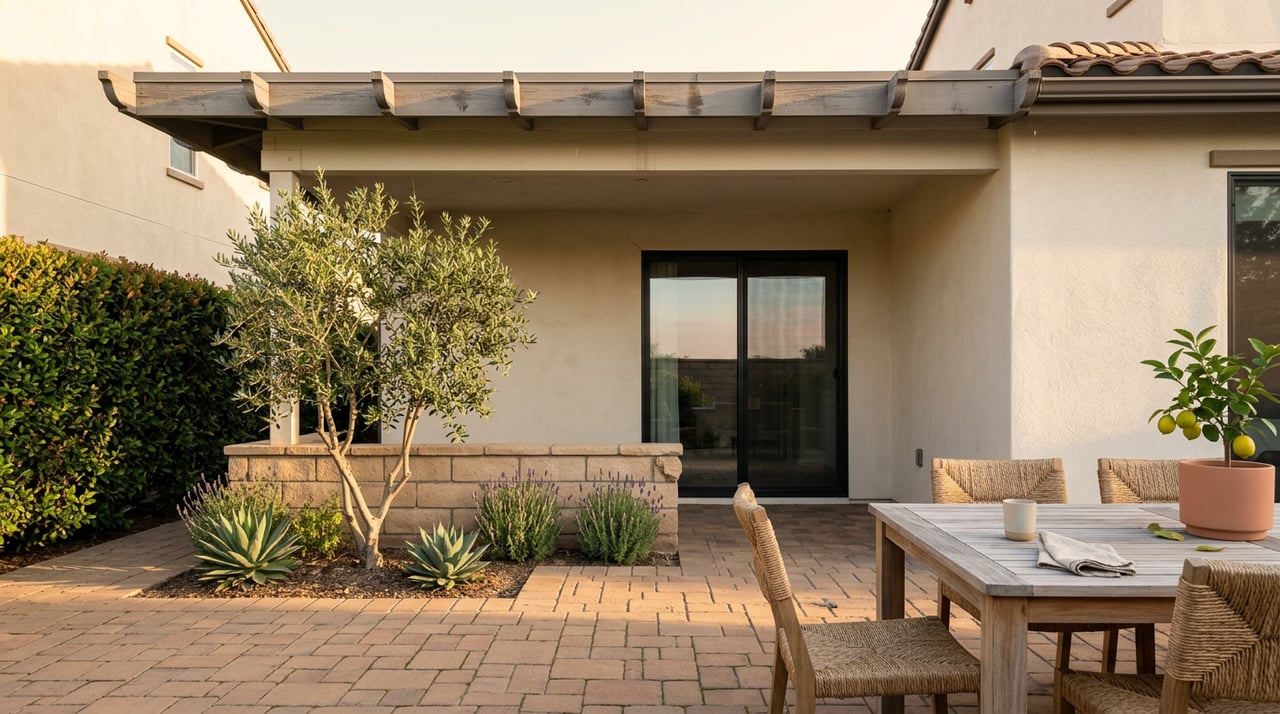
In practical terms, Rancho often appeals to buyers who want more contemporary suburban neighborhoods, newer layouts, and housing patterns that align with modern master-planned development.
Redlands housing
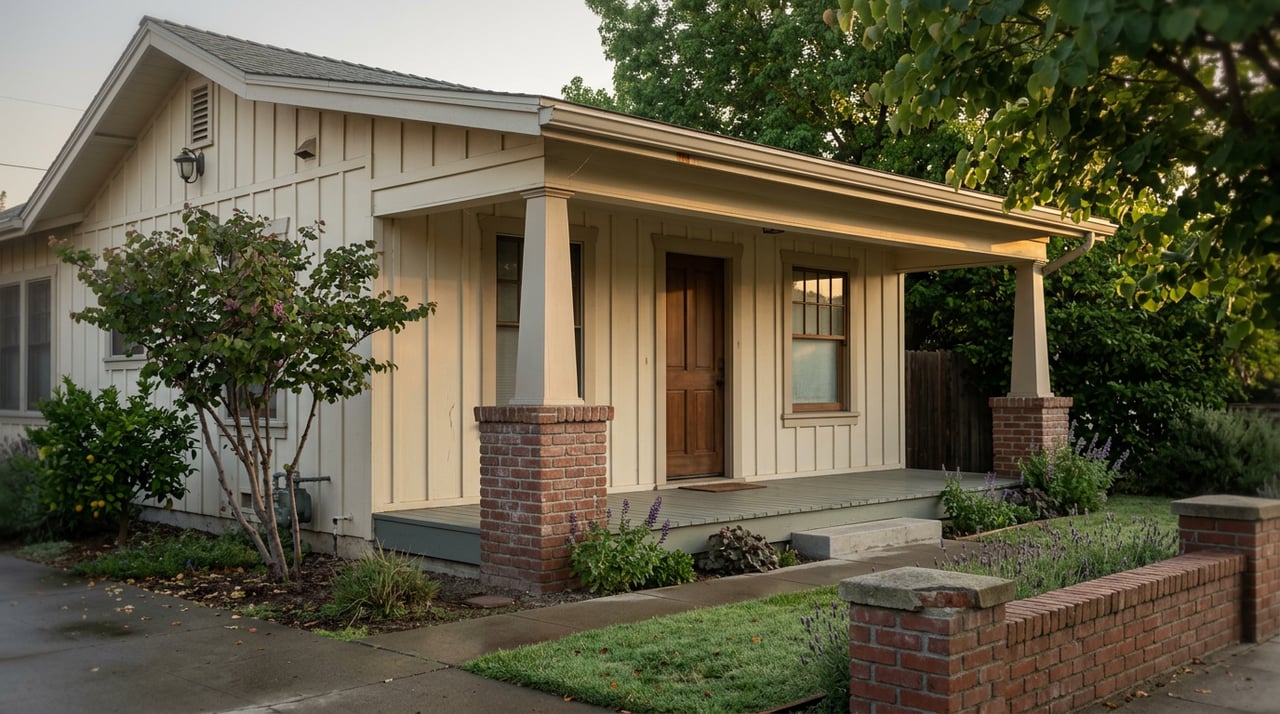
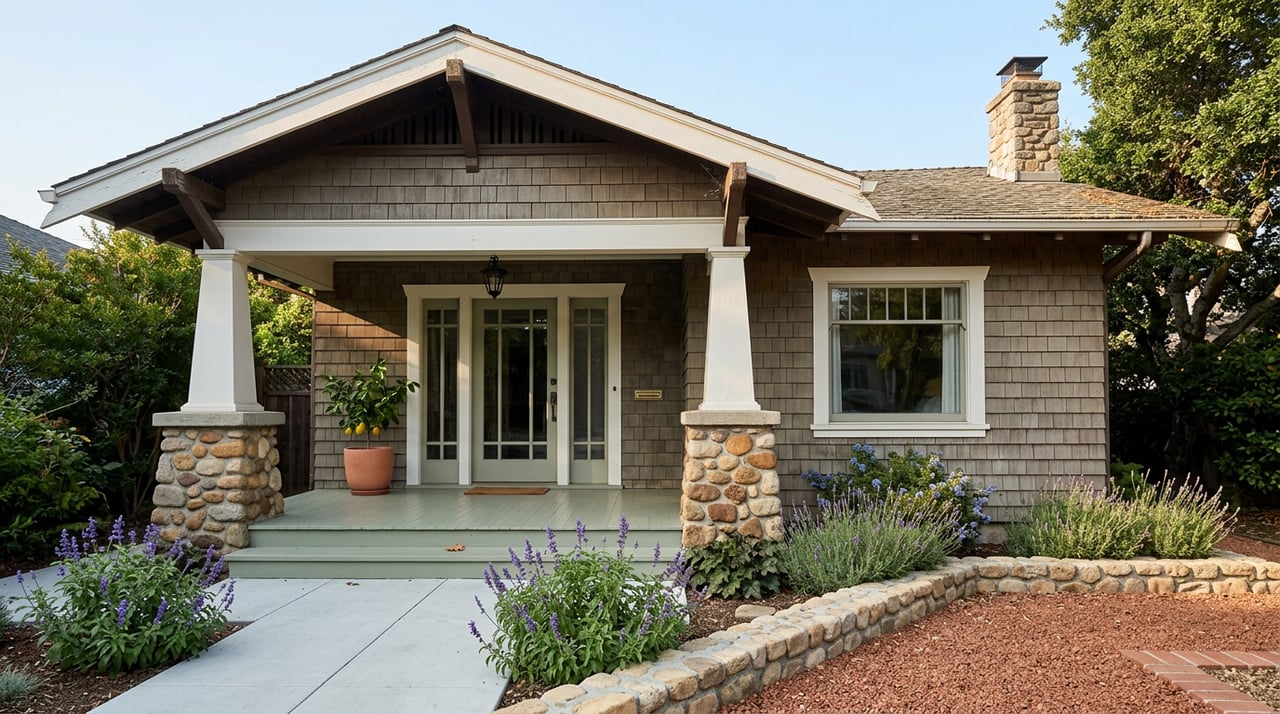
Redlands presents a more varied and visibly historic mix. The city’s housing page notes options that include Craftsman bungalows, Victorian homes, contemporary executive homes, and modern family neighborhoods. Its housing resources also reference neighborhood styles such as Craftsman, Ranch, Spanish, and Mid-Century Modern. You can browse that overview on the City of Redlands housing page.
If you care about architectural character, older homes with personality, or a broader mix of styles, Redlands may be more appealing. If you want a more uniform suburban look and newer-feeling housing patterns, Rancho Cucamonga may line up better.
Schools and Family Logistics
If schools are part of your decision, the key difference is structure, not judgment. It helps to understand how each city is organized.
Rancho Cucamonga is served by multiple elementary and intermediate districts within the city, including Central, Alta Loma, Cucamonga, and Etiwanda, according to the city’s Safe Routes to School map. For high school service, Chaffey Joint Union High School District serves Rancho Cucamonga and nearby communities.
Redlands has a more unified setup. Redlands Unified School District says it includes 16 elementary schools, 4 middle schools, 3 comprehensive high schools, Orangewood High School, and Redlands eAcademy, with districtwide K-12 enrollment of 19,310.
For you as a buyer, this means Rancho Cucamonga may require a bit more neighborhood-level checking because school district lines can vary by area. Redlands may feel more straightforward because it is organized through a single unified district.
Which City Fits Your Life?
If you are still torn, this simple framework can help.
Rancho Cucamonga may fit better if you want:
- A larger city with more density and a more modern suburban feel
- Strong access to regional commuting routes, Cucamonga Station, and Ontario airport connections
- Destination shopping, dining, entertainment, and newer mixed-use development
- Housing patterns that often feel newer and more master-planned
Redlands may fit better if you want:
- A smaller, more compact city with a historic downtown feel
- Lower Census median home values and rents than Rancho Cucamonga
- A shorter average commute based on Census data
- A wider mix of architectural styles and an established preservation-minded identity
A Smart Way to Decide
If possible, visit both cities with your real priorities in mind. Drive the commute you expect to make. Walk the downtown or shopping district you would use most often. Tour homes in your actual budget, not just your ideal budget.
The right fit is usually not about which city sounds better online. It is about where your daily routine, housing needs, and long-term plans feel easiest to support.
If you are weighing Rancho Cucamonga against Redlands and want local guidance you can trust, Terri Barrett can help you compare neighborhoods, price points, and property options across the Inland Empire with clear, steady advice.
FAQs
What is the main lifestyle difference between Rancho Cucamonga and Redlands?
- Rancho Cucamonga generally feels larger, newer, and more amenity-driven, while Redlands feels more historic, compact, and downtown-centered.
Is Rancho Cucamonga or Redlands more affordable for homebuyers?
- Based on U.S. Census measures, Redlands has a lower median owner-occupied home value and lower median gross rent than Rancho Cucamonga.
Which city has the shorter average commute, Rancho Cucamonga or Redlands?
- Census QuickFacts reports a shorter mean travel time to work in Redlands at 24.9 minutes, compared with 32.3 minutes in Rancho Cucamonga.
What types of homes are common in Rancho Cucamonga and Redlands?
- Rancho Cucamonga tends to offer more contemporary suburban housing patterns, while Redlands includes a more varied mix such as Craftsman, Victorian, Ranch, Spanish, and Mid-Century Modern styles.
How are school districts organized in Rancho Cucamonga versus Redlands?
- Rancho Cucamonga is served by multiple elementary and intermediate districts plus a separate high school district, while Redlands is primarily organized through Redlands Unified School District.