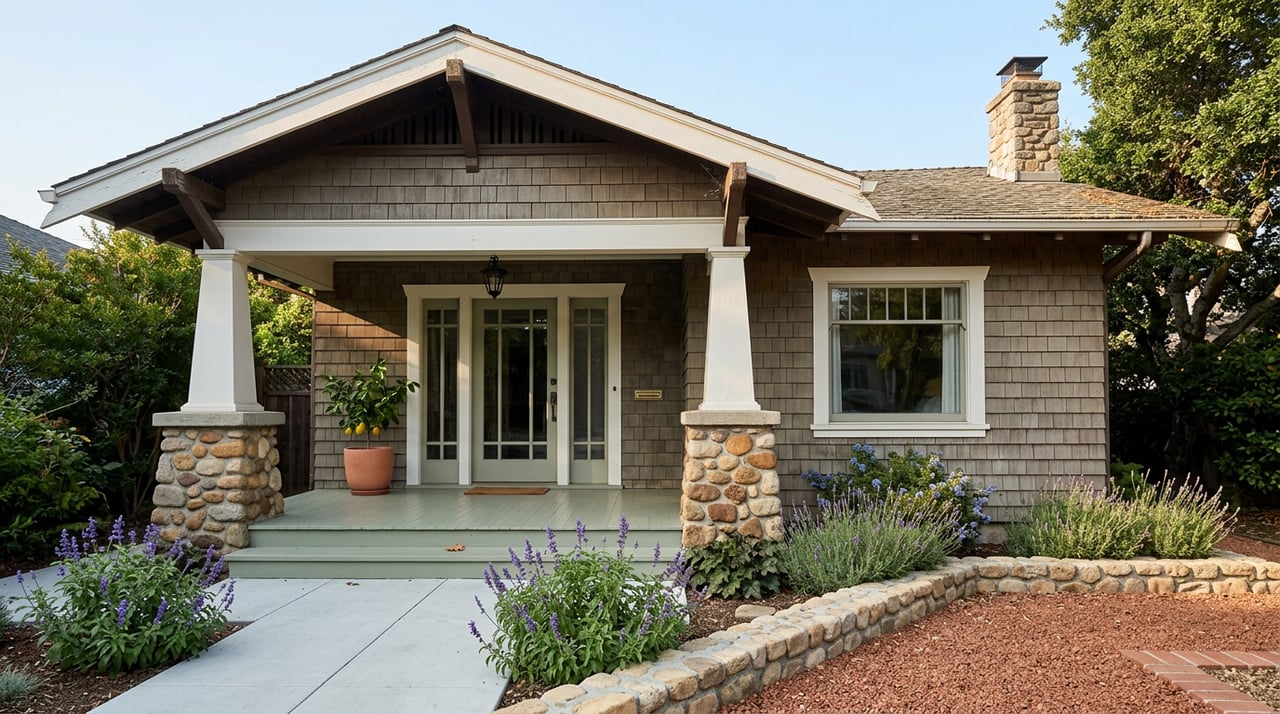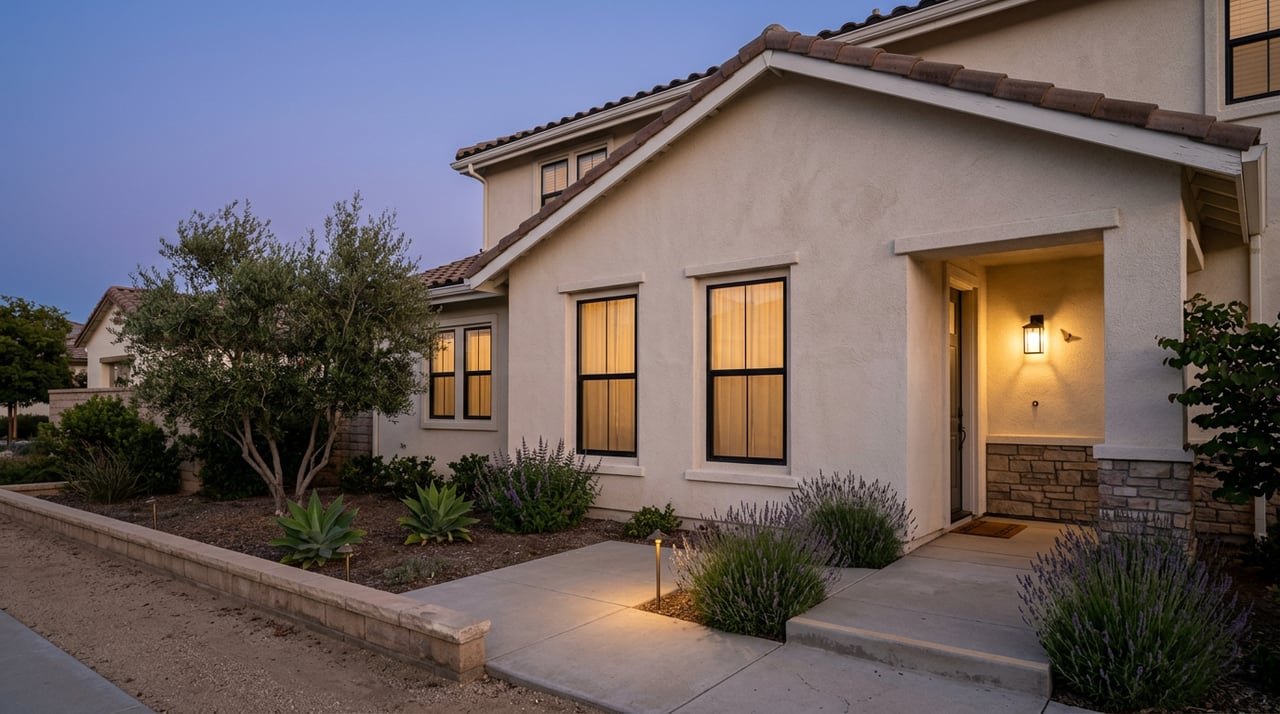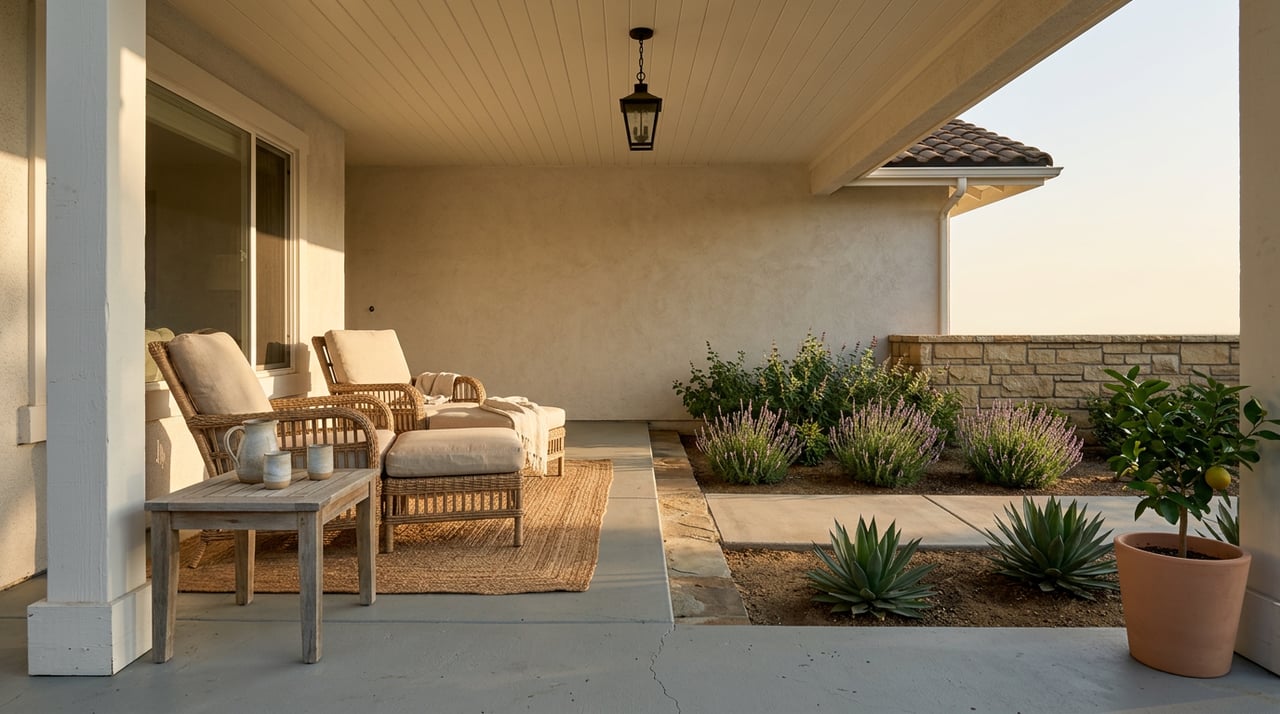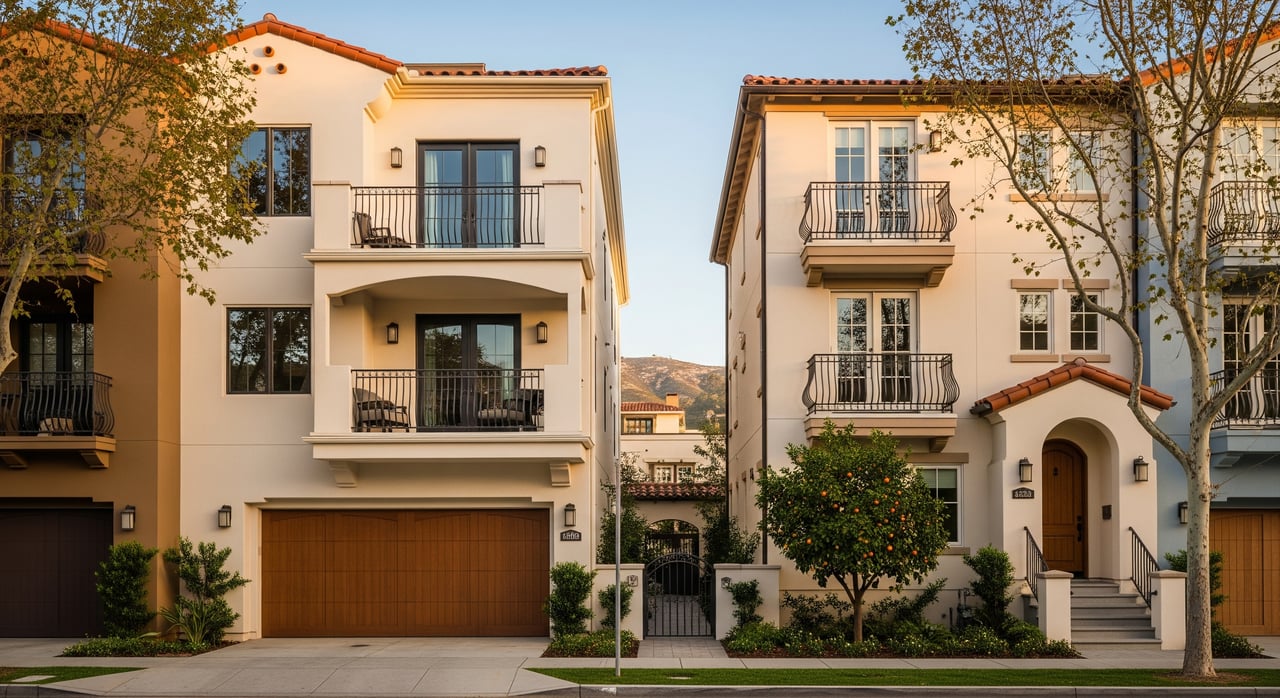
Picturing a low-maintenance place near downtown Redlands or a multi-level home with a private garage? Choosing between a condo and a townhome can shape your monthly costs, your routine, and how you use your space. It is normal to feel unsure about the differences because listings often use the terms loosely. In this guide, you will learn what you actually own, what HOAs usually cover, how financing can differ, and how to confirm the details before you make an offer. Let’s dive in.
Ownership basics: what you actually own
Condos: interior ownership
With a condominium, you typically own the interior space of your unit plus an undivided interest in the community’s common areas. The exterior structure, roof, and shared systems are commonly maintained by the homeowners association. This setup often reduces your personal maintenance list.
Townhomes: structure and land vary
A townhome is usually a multi-level, attached home that may be held in fee simple, which means you own the structure and often the land beneath it. Many townhomes are also part of an HOA. What the HOA maintains can vary widely by community. Some townhome HOAs function much like condo HOAs, while others limit coverage to shared landscaping and private roads.
How to verify in Redlands listings
Terminology can be inconsistent. A property marketed as a “townhome” might be legally a condo. To be sure, confirm the deed type in public records, review the recorded map and CC&Rs, and ask for the HOA governing documents. You can also check the San Bernardino County Assessor’s parcel information to understand the legal description and tax parcel setup.
Control, alterations, and privacy
Because condo associations maintain the exterior, you usually have stricter rules on exterior changes. Townhomes can allow more latitude for exterior finishes and small yard areas, if the HOA permits. In daily life, many townhomes feel more like single-family homes, with private entries and garages, which can offer more privacy and storage.
HOA duties and rules: what to expect
What condo HOAs often include
Condo HOAs typically manage and fund exterior building maintenance, roofs, common-area landscaping and lighting, parking areas, and building systems. They also carry a master insurance policy for the structure and maintain reserves for major repairs. Amenities like pools, clubhouses, and fitness rooms are common in condo-style developments.
What townhome HOAs might include
Townhome HOA coverage varies. Some associations handle only shared landscaping, private roads, and gate access. Others include exterior painting and roof replacement. The scope matters because it shifts costs between your HOA dues and your personal maintenance budget.
California framework you should know
Common-interest communities in California operate under the Davis-Stirling Common Interest Development Act. When you are in escrow, you should receive key documents such as governing documents, the current budget, a reserve study, meeting minutes, and certain financial disclosures. These help you understand rules, financial health, and any planned projects.
Financial health items to review
- Current monthly dues and what they include, such as insurance, water, trash, and reserves.
- Reserve fund balance and the most recent reserve study.
- Any recent or pending special assessments and major upcoming projects.
- Litigation or insurance issues that could impact finances or lending.
- Rental policies and any short-term rental rules in the CC&Rs, along with City of Redlands ordinances.
Documents to request before you buy
- CC&Rs, bylaws, and rules and regulations
- Current budget, financial statements, and the latest reserve study
- Meeting minutes from the past 12 to 24 months
- HOA master insurance summary
- Resale certificate or HOA packet and any litigation or special assessment disclosures
Monthly costs and insurance: how the numbers work
The full carrying cost picture
When you compare a condo and a townhome in Redlands, line up every monthly component side by side:
- Mortgage principal and interest
- Property taxes, plus any Mello-Roos or special assessments
- Homeowner’s insurance
- HOA dues
- Utilities, routine maintenance, landscaping, and a reserve for repairs
Insurance differences
Condo owners usually carry HO-6 coverage that protects interior finishes and personal property because the HOA’s master policy typically covers the exterior. Townhome owners often need broader HO-3 coverage that insures more of the structure. Confirm coverage with an insurance professional after you review the HOA’s master policy.
Dues vs. out-of-pocket maintenance
Condos often have higher HOA dues because the association funds exterior upkeep and amenities. In return, your personal maintenance costs and insurance premiums may be lower. Townhome dues can be lower if the HOA covers less, but your personal maintenance costs may be higher if you are responsible for the roof, siding, fences, or small yard areas. Run the totals both ways to understand your true monthly cost.
Financing: what lenders look for
Condo project approvals
Some condo communities need project-level approvals for FHA or VA financing, and certain conventional loans have their own project requirements. If the development is not approved, you may face additional lender conditions or fewer loan options. Check approval status early if you plan to use those programs.
Townhomes often resemble single-family for lending
Fee-simple townhomes are often underwritten like single-family homes, which can streamline the loan process. Lenders still review HOA dues and financials, especially if there are high vacancy rates or pending assessments.
Questions to ask your lender
- How will HOA dues affect my debt-to-income ratio and approval amount?
- If I am buying a condo, does the project meet the loan program’s requirements?
- What documentation will you need from the HOA and the seller to clear underwriting?
Lifestyle factors in Redlands
Commute, parking, and storage
Redlands condos located near downtown and transit routes can offer convenience and walkable access to shops and dining, but may have tighter parking options. Townhomes often provide private garages and more storage for gear, strollers, tools, or hobby equipment. Consider your daily routine and how you move in and out of the home.
Outdoor space and amenities
If a private yard or larger patio is important, a townhome is more likely to fit the bill. If you prefer shared amenities like a pool, gym, or clubhouse that the HOA maintains, a condo community might be a better match. Think about how you spend weekends and what you want to maintain personally.
Who each type often fits
- Condos: buyers who want lower exterior maintenance, smaller living footprints, and on-site amenities. This can be appealing for first-time buyers or downsizers.
- Townhomes: buyers who want a multi-level home with a private entry and garage, and a feel closer to a single-family home without the full yard work of a detached property.
How to research options with your agent
Pre-showing research checklist
- Pull comparable sales for condos and townhomes in your target Redlands neighborhoods over the past 6 to 12 months to compare price per square foot, days on market, and sale-to-list ratios.
- Confirm the legal form of ownership in the public records and MLS remarks.
- Request preliminary HOA contact information and the resale certificate or HOA packet when possible.
Questions to bring on showings
- What do the monthly dues cover specifically, including the roof, exterior paint, master insurance, water, trash, and reserve contributions?
- What are the current dues, and are there any recent or upcoming special assessments?
- Can I review the most recent budget, financial statements, and reserve study?
- What are the rental rules, including any caps or short-term rental restrictions?
- Is the association in litigation, and what might it mean for owners?
- How is parking assigned and managed, including guest parking?
- What are the pet rules?
- For condos, is the project approved for FHA or VA financing if needed?
On-the-property checklist
- Identify where the AC and heating equipment is located and who maintains it.
- If it is a condo, look at common entries, garage areas, and exterior surfaces for signs of deferred maintenance.
- If it is a townhome, confirm who handles the roof, siding, fencing, gutters, and yard areas.
- Verify storage space, closet capacity, and garage dimensions, and whether the garage is deeded or assigned.
Closing and cost confirmation
- Add up the true monthly carrying cost: HOA dues, estimated insurance, property tax, mortgage payment, utilities, and a monthly maintenance reserve.
- Ask the title and escrow team for a preliminary title report and any liens or recorded assessments.
- Review the parcel’s property tax bill to confirm any Mello-Roos or community facilities district charges.
Which is right for you? A quick guide
If you value predictable exterior upkeep and shared amenities, a condo can simplify your to-do list at the cost of higher dues. If you want more private space, a garage, and a home that feels closer to a detached house, a townhome could be the better fit, especially if the HOA still covers some exterior items. The best choice depends on how you live, how you plan to finance, and the real monthly costs after you read the HOA documents.
A seasoned local agent can help you compare apples to apples. That means confirming the legal ownership type, pulling relevant comps, getting the HOA packet early, and coordinating with your lender to make sure the loan program fits the property.
Ready to narrow it down with confidence? Reach out to Terri Barrett to compare real options in Redlands, line up pre-approval that accounts for HOA dues, and review the CC&Rs and reserve studies before you write an offer.
FAQs
What is the main ownership difference between condos and townhomes in Redlands?
- Condos typically include ownership of the interior plus shared common areas, while townhomes are often fee simple and may include ownership of the structure and land; always confirm deed type and CC&Rs.
How do HOA dues for condos compare to townhomes in Redlands?
- Condo dues are often higher because they fund exterior upkeep and amenities; townhome dues may be lower but owners can have more out-of-pocket maintenance depending on the HOA’s scope.
Are condos in Redlands harder to finance than townhomes?
- Some condo projects require FHA or VA approvals and additional lender review, while fee-simple townhomes are usually treated like single-family homes and can face fewer project-level hurdles.
What insurance do I need for a Redlands condo or townhome?
- Condo owners generally carry HO-6 policies for interiors since the HOA insures the exterior; townhome owners often need broader HO-3 coverage that includes more of the structure.
What HOA documents should I review before buying in Redlands?
- Review the CC&Rs, bylaws, rules, budget, financials, the latest reserve study, meeting minutes, the master insurance summary, and any special assessment or litigation disclosures.
How can special assessments impact my Redlands condo or townhome purchase?
- Special assessments can raise costs through one-time or ongoing payments; review reserves and planned projects to gauge risk and factor potential assessments into your budget.