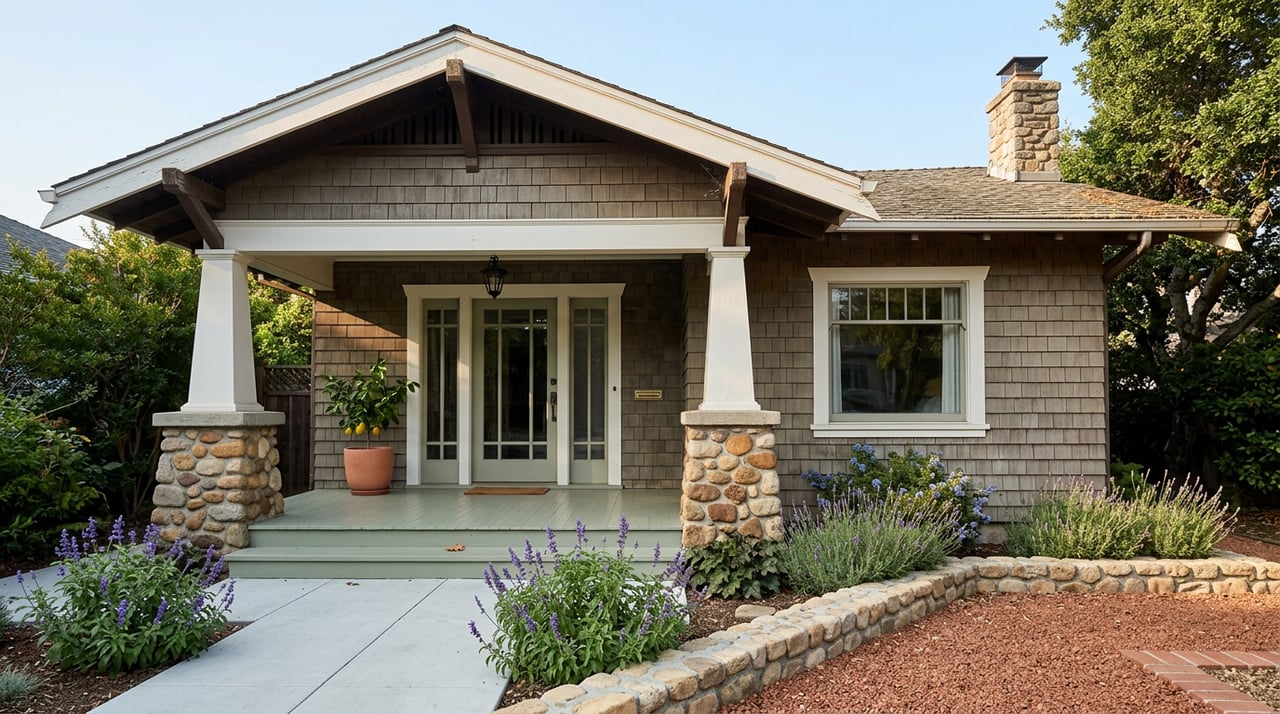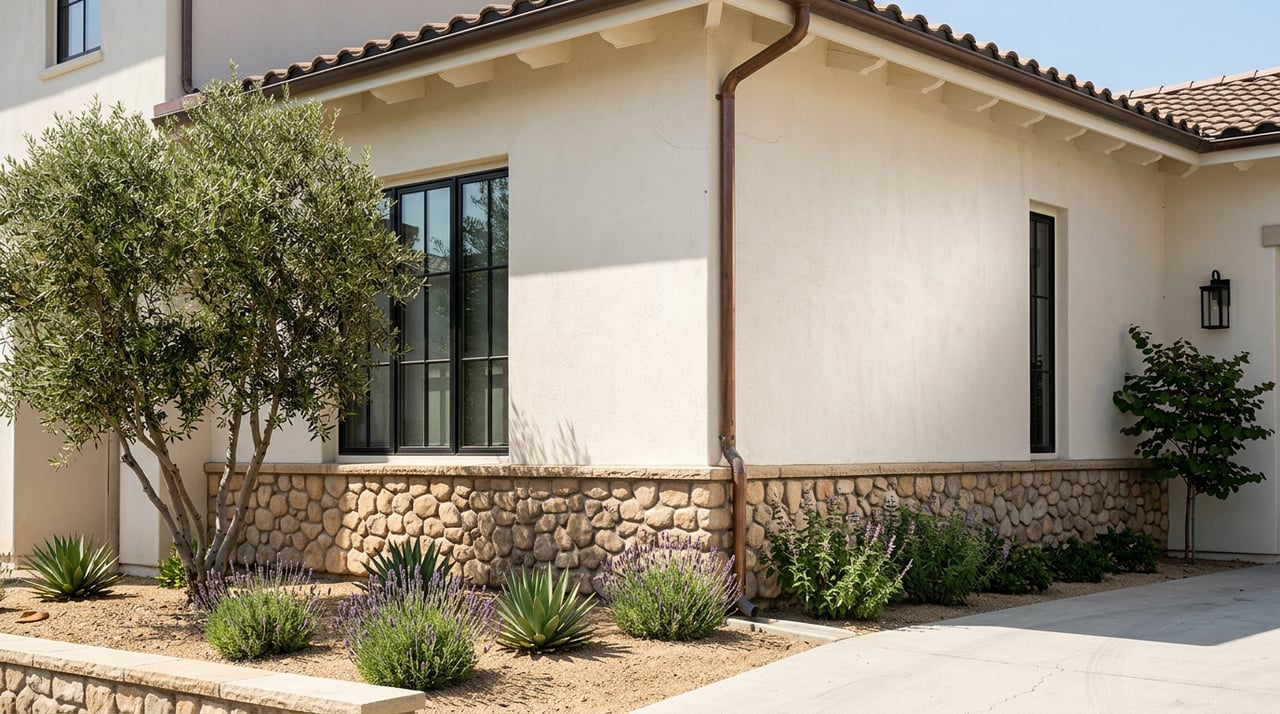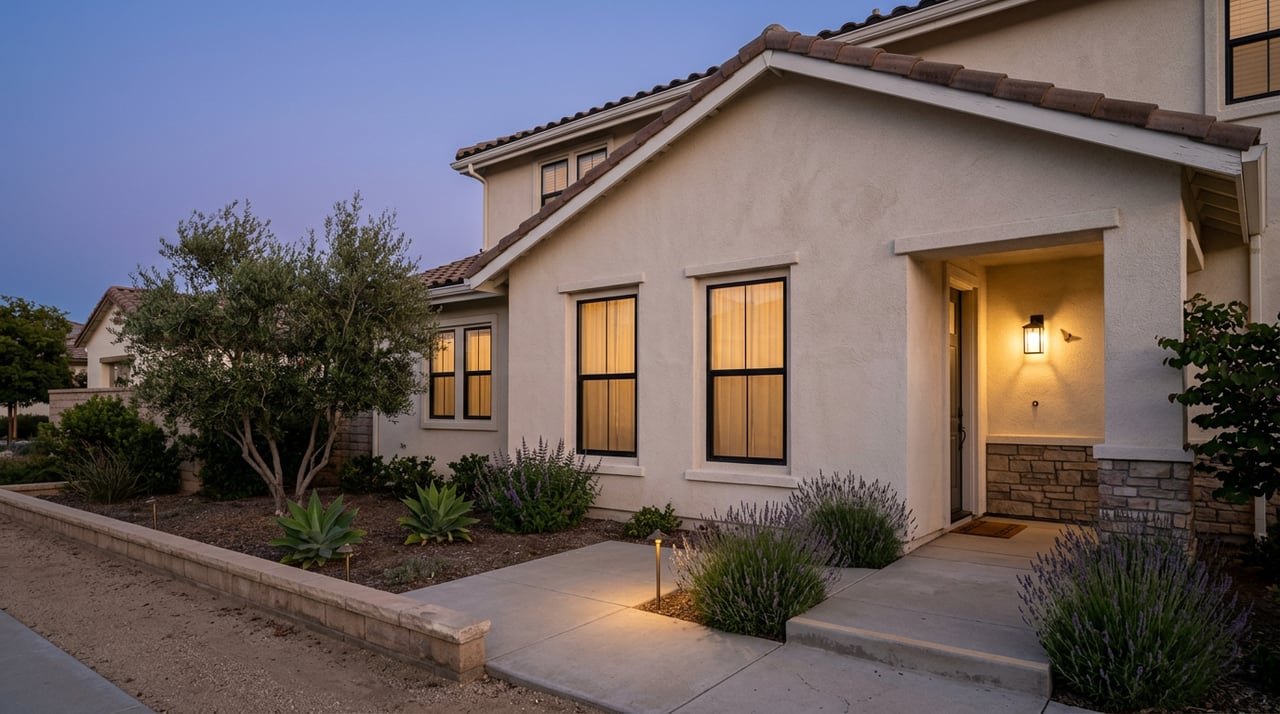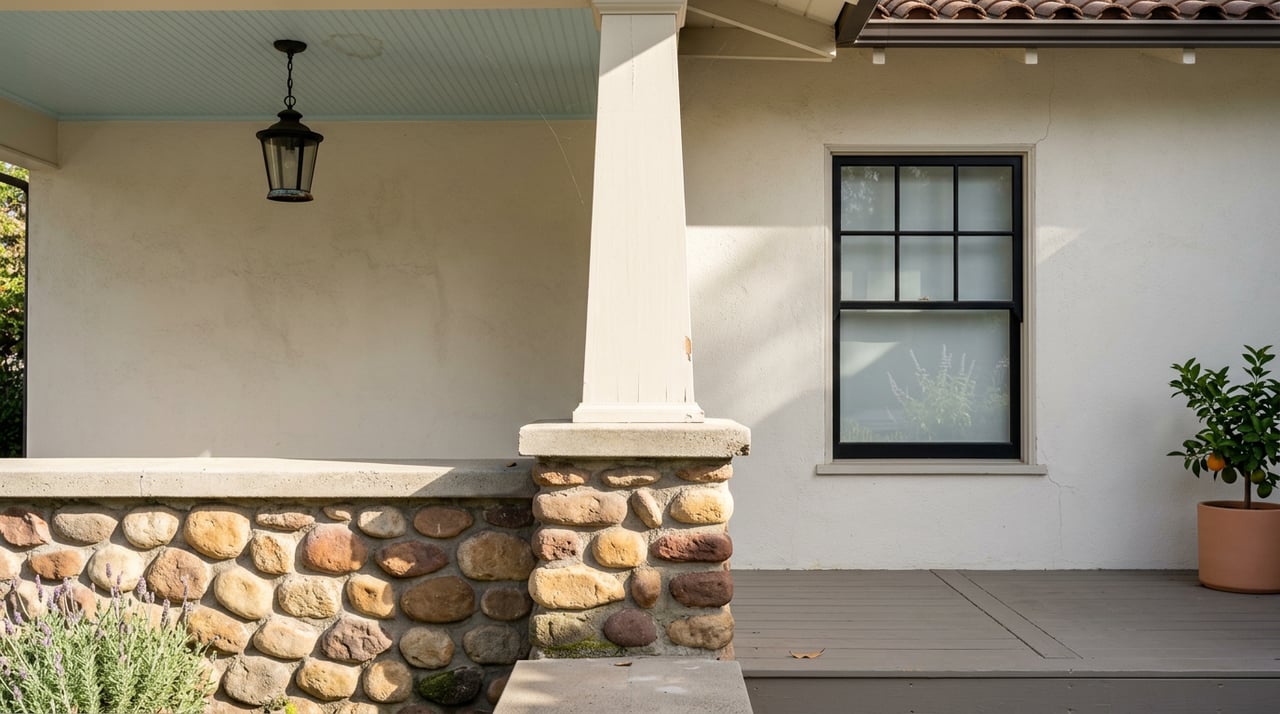
Most guides to selling in the Inland Empire treat Redlands like a slightly older version of Rancho Cucamonga or Fontana. That framing costs sellers money. Redlands has a separate layer of transaction risk because historic status, preservation contracts, city approvals, insurance and appraisal questions can all surface after a buyer enters escrow.
The good news is that these issues are manageable. The difficult closings usually begin when the home’s history has been treated as a marketing detail instead of a set of facts that must be documented.
For a seller, the goal is simple: turn the home’s story into a clean, verifiable file before the buyer starts asking questions.
The first escrow question is what “historic” actually means
A beautiful old home is not automatically a legally designated historic property. A Redlands Area Historical Society Heritage Award is meaningful recognition, but the City makes clear that the award is not a historic designation adopted by Redlands.
Several separate descriptions may apply to a property:
- An older home with no formal designation
- An individually designated historic resource or landmark
- A property within a local historic district
- A property within a National Register district
- A home subject to a recorded Mills Act contract
Those categories can carry different responsibilities. That is why a plaque, architectural style or listing description should never be the final word.
Redlands has eight locally designated historic districts: Eureka Street, West Highland Avenue, Early Redlands, Normandie Court, East Fern Avenue, Garden Hill, La Verne Street and Smiley Park Neighborhood. The city also has the Santa Fe Depot and Smiley Park National Register districts, along with individually designated resources.
The practical starting point is to check the address against the City of Redlands historic resource list and district maps. A preliminary title report should also be reviewed for recorded restrictions or contracts.
Redlands began a citywide Historic Resources Survey in 2026 with Architectural Resources Group. The survey will consider resources constructed through 1982. Being studied because of age or architectural interest is not the same as receiving a formal designation, so sellers should confirm current status with Planning before making claims in their marketing or disclosures.
The central lesson: Escrow does not care only about how old the house is. It asks what is recorded, what was approved and what the next owner will be required to do.
A Mills Act benefit comes with a file full of obligations
A Mills Act contract can be valuable. Redlands estimates that participating residential properties typically receive property tax savings of approximately 50% to 60%.
That figure needs context. The City requires the full tax savings to be reinvested in eligible preservation, maintenance or restoration work. The benefit is tied to a ten-year work plan, annual reporting and documented performance.
The contract also stays with the property. Under California Government Code Section 50281, a successor owner receives the same rights and obligations as the owner who entered the agreement. A buyer is not simply acquiring a lower tax bill. The buyer is accepting an ongoing preservation commitment.
Before listing a Mills Act home, assemble:
- The recorded contract
- The current ten-year work plan
- Annual reports already submitted
- Before-and-after photographs
- Receipts and proof of payment
- Tax statements used in the reporting process
- Correspondence concerning completed or pending work
Redlands requires annual reports by the last business day of July. Unpaid estimates do not count as proof that required money was spent. If receipts are missing or work-plan items remain incomplete, a buyer may ask who will complete the work and how the obligation affects the offer.
Cancellation is not a casual solution. The City states that immediate cancellation may trigger a fee equal to 12.5% of the property’s unrestricted current fair market value. Nonrenewal follows a different process and generally allows the contract to wind down over its remaining term.
These terms should be reviewed with the City and the appropriate tax or legal professionals. A real estate agent can coordinate the transaction, but should not estimate a buyer’s future tax bill or interpret the contract as legal advice.
One improvement may require two kinds of approval
Historic Redlands homes can have two separate paper trails.
The first is the familiar Building and Safety record for work such as electrical upgrades, plumbing, roofing, remodeling, additions, garages, patios and decks. The second is the historic-preservation record.
Exterior work on a designated landmark, historic resource or property in a local historic district may require a Certificate of Appropriateness. Redlands identifies alteration, demolition, relocation and subdivision as actions that may fall under this review.
That distinction can surprise a seller who has a building permit but no historic approval for a prior exterior change. Windows, siding, porches, roofs and additions can receive close attention because they may contribute to the property’s historic character.
The reverse can also be true. Historic approval does not necessarily replace an ordinary building permit.
Redlands’ One Stop Permit Center coordinates Planning, Building and Safety, and Engineering. Before the property goes on the market, compare the available city records with what is physically present at the home. Look for additions, converted spaces, changed windows, porch work, detached structures and major system replacements.
There is another local rule worth knowing. A structure more than 50 years old requires approval from the Historic and Scenic Preservation Commission before demolition, even if the structure is not formally designated. That can matter when a buyer plans to remove an older garage, carriage house or shed after closing.
Historic-home inspections tend to branch into specialties
A general home inspection remains useful, but an older property may raise questions that require a specialist.
Local restoration records show why. The Redlands Area Historical Society’s account of the 1929 Glenna Pennewell House at 926 Alvarado Street describes work involving a leaking roof, lead pipes, termites, earthquake retrofitting and knob-and-tube wiring. At 736 Walnut Avenue, restoration included retrofit work on a rubble foundation.
These are local examples, not predictions about every historic Redlands home. They do show why sellers benefit from organizing inspection questions by system:
- Foundation and seismic condition
- Electrical service and older wiring
- Roof condition and historic roofing materials
- Plumbing materials
- Termite or wood damage
- Porches, balconies and exterior stairs
- Historic windows, doors and siding
- Masonry chimneys and flues
Redlands’ own historic guidance recommends professional inspection, cleaning and relining of chimney flues. A chimney may be both an important architectural feature and a source of safety or repair questions.
Pre-listing inspections are not required in every sale, and the right strategy depends on the property. Still, identifying a specialized issue early gives the seller time to gather estimates, complete approved work or disclose the condition clearly. Finding the same issue under a short buyer contingency creates more pressure and fewer choices.
For homes built before 1978, federal lead-based-paint rules may also apply. Sellers must disclose known lead information, provide available reports and give buyers the required opportunity to conduct a lead inspection or risk assessment. The EPA explains the disclosure process, including the standard ten-day inspection opportunity unless the parties negotiate a different period or the buyer waives it.
California also has an extra requirement for certain quick resales. When a seller accepts an offer within 18 months of acquiring a single-family home, state law requires disclosure of qualifying contractor work and copies of permits the seller obtained. This deserves careful attention when a recently renovated historic home returns to the market.
Insurance can turn a property issue into a closing deadline
A financed buyer generally needs homeowners insurance that satisfies the lender. The Consumer Financial Protection Bureau recommends sharing insurance quotes with the loan officer to confirm that the proposed coverage meets lender requirements.
California’s insurance market showed encouraging movement in 2026. In May, the Department of Insurance reported slower FAIR Plan growth and additional insurers expanding coverage. That statewide update does not guarantee that a particular Redlands property will qualify for a policy at a particular price.
If known roof, electrical or other inspection findings could concern an insurer, encourage the buyer to speak with a licensed insurance professional early. Waiting until the final days of escrow can put the buyer’s loan and the closing date under avoidable pressure.
The FAIR Plan remains a last-resort option with coverage limitations. Sellers should not promise that it will solve an insurance issue or quote a future premium.
Pricing must account for more than age and square footage
The May 2026 numbers show why a citywide median has limited value for a historic home. Redlands recorded 32 single-family sales with a median price of $721,000. Yet the two ZIP codes moved in different directions.
In May 2026, 92373 recorded 18 sales with an $835,000 median, up 10.04% year over year. The 92374 ZIP code recorded 14 sales with a $608,000 median, down 12.87%. The combined Redlands median was down 1.42% year over year.
Those are small samples, so they should not be used to declare that every property in one ZIP code is rising or falling. They show that a broad Redlands average can hide meaningful differences.
A historic-home pricing review should consider:
- Exact location
- Legal historic status
- Architectural character
- Condition of major systems
- Mills Act obligations
- Quality and approval status of improvements
- Relevant sales of homes with similar buyer appeal
Historic and architecturally unusual homes may also require a broader appraisal search. Fannie Mae guidance allows an appraiser to use older sales or properties in competing neighborhoods when recent same-design sales are unavailable, provided the analysis supports the comparison.
A seller cannot direct the appraiser’s conclusion. A clear package containing approved improvements, preservation records and relevant property information can help prevent important facts from being overlooked.
Build these six files before accepting an offer
A well-prepared historic-home sale can be organized into six files:
- Historic status: City designation records, district information and supporting history
- Title: Preliminary title report and recorded preservation documents
- Mills Act: Contract, work plan, annual reports, photographs and proof of expenditures
- Approvals: Building permits, final approvals and Certificates of Appropriateness
- Condition: Inspection reports, repair invoices, warranties and specialist findings
- Closing support: Early insurance information and an appraisal package based on relevant facts
This preparation does not mean every concern must be repaired before listing. It means the seller can make informed decisions and answer buyer questions without scrambling.
Common questions from Redlands sellers
Does a Heritage Award mean my home is legally designated historic?
No. The City states that a Redlands Area Historical Society Heritage Award is not itself a city historic designation. Check the property against official city records and district maps.
Can a buyer cancel the Mills Act contract after closing?
A buyer becomes subject to the contract as the successor owner. Immediate cancellation is not automatic and may carry a substantial fee. The buyer should review the recorded contract with the City and qualified legal or tax professionals.
Should I renovate before selling a historic home?
That depends on condition, approvals, likely buyer expectations and the cost of the work. Confirm whether proposed exterior changes need historic review before beginning. In some cases, clear documentation and appropriate pricing may serve the seller better than rushing into a major project.
Prepare the history before escrow tests it
Selling a historic home in Redlands should feel thoughtful, not overwhelming. The right preparation respects the property while protecting the seller’s position.
With nearly 30 years of real estate experience, Terri Barrett brings a steady, process-driven approach to complex Inland Empire transactions. She can help you identify the records to gather, coordinate the pre-listing timeline and prepare your home for the questions most likely to arise.
[Schedule a Free Consultation] to discuss your Redlands property and build a practical plan for a cleaner escrow.