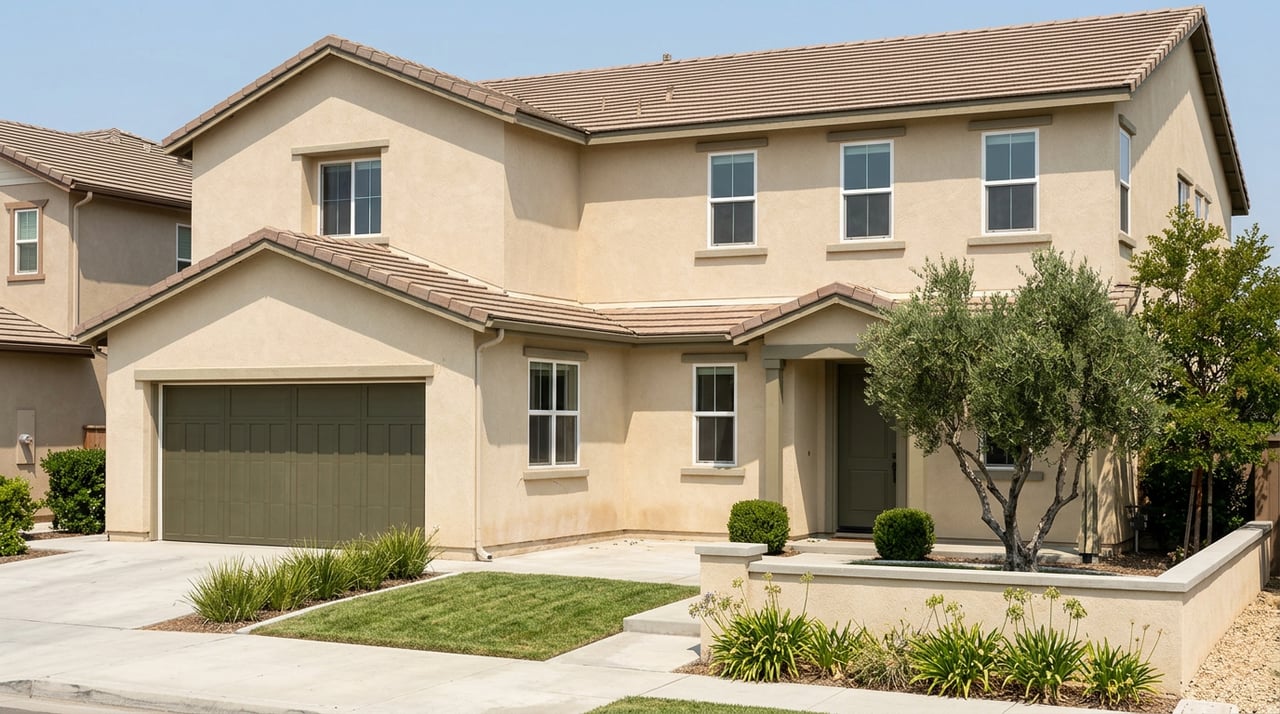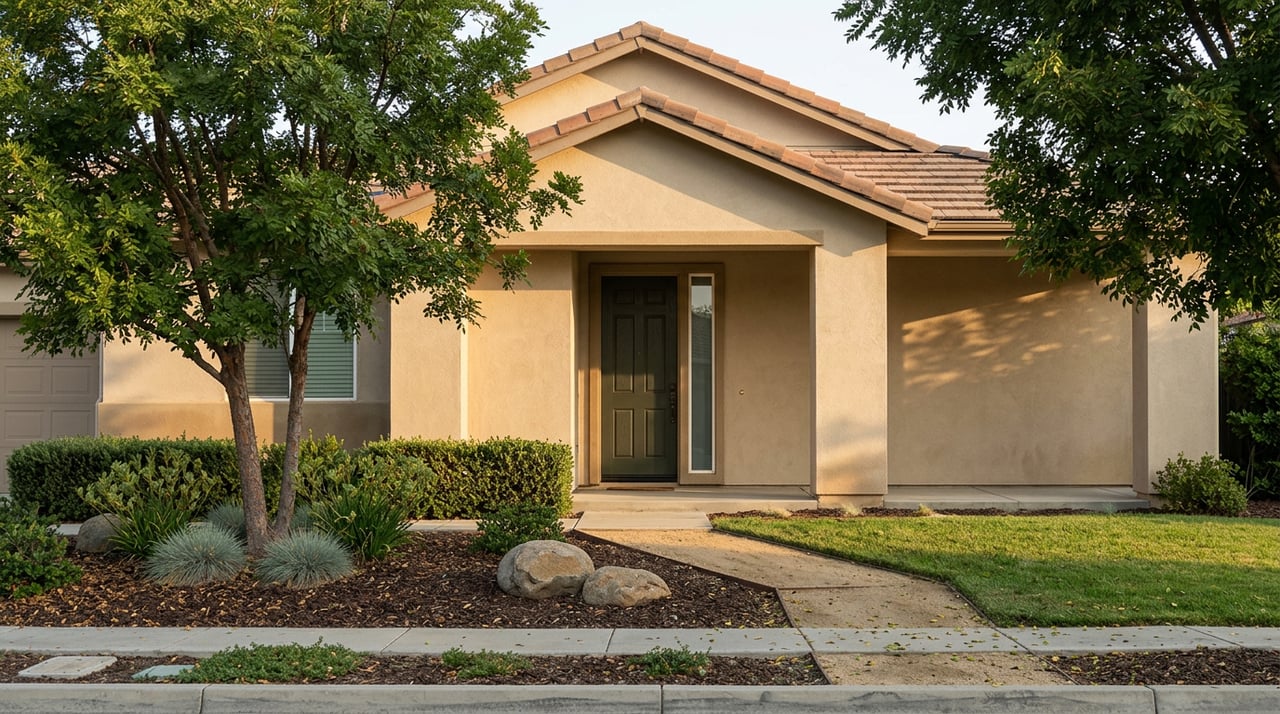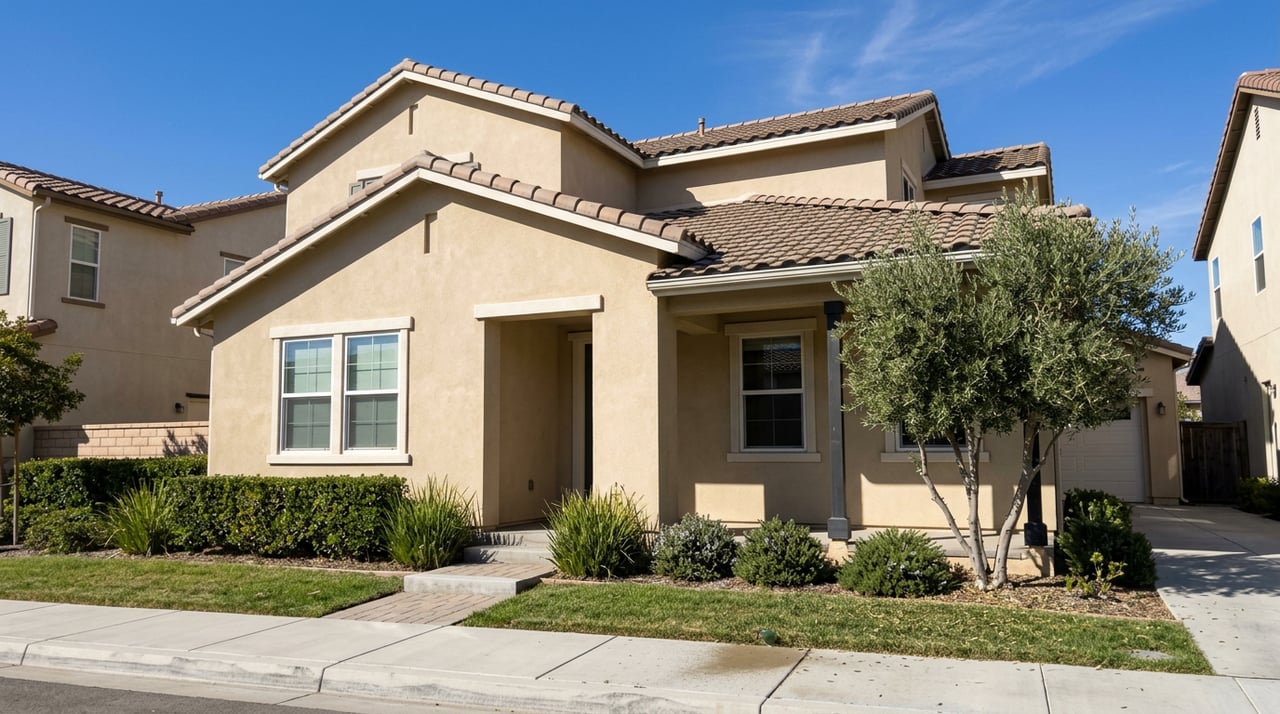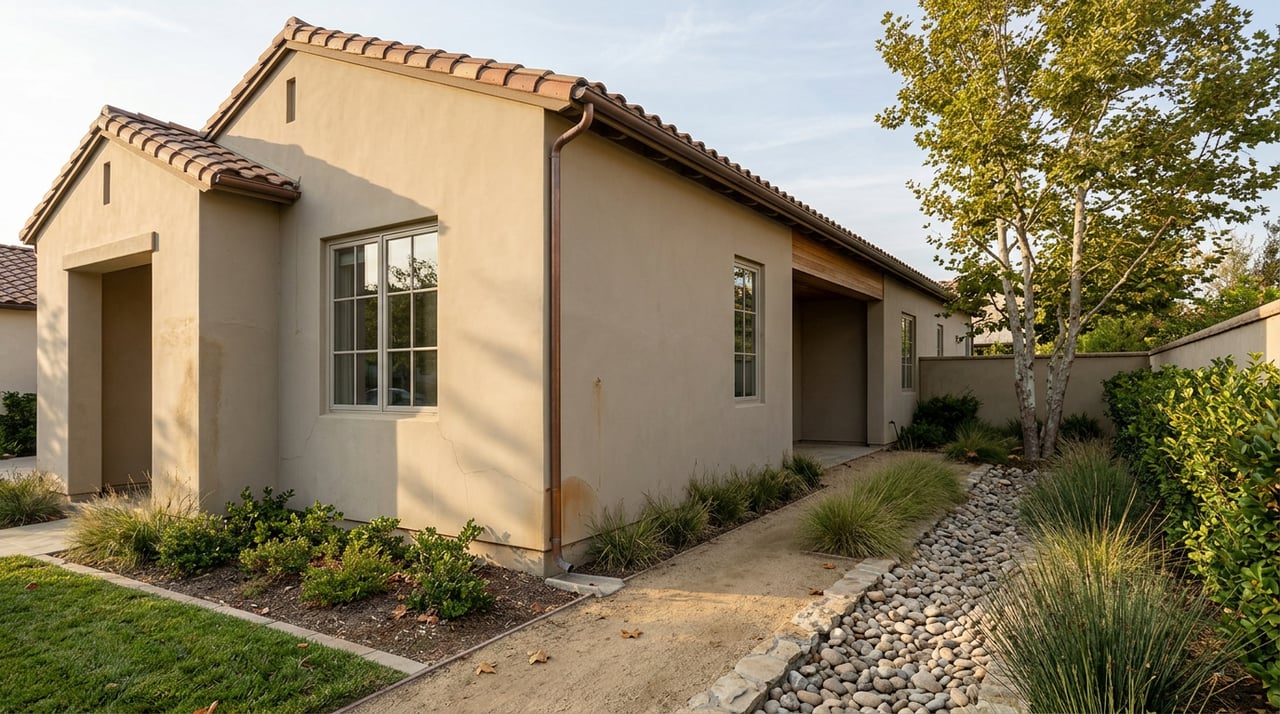
In 2013, a three-bedroom ranch home on Brookside Avenue in Redlands went on the market with a line in the listing that was meant to sell the house: it bordered the Zanja, so the buyer would get a seasonal creek running along the property. It worked. The home sold that October for $360,000.
Around that same stretch of years, on West State Street, a different building on the same canal was having a much worse experience with it. According to a lawsuit filed later, the floor of a building at 624 W. State St. failed and dropped into the Zanja running beneath it, on or before 2013. The city eventually reimbursed the prior owner for the repair. Both of these things are true about the same 200-year-old ditch, and if you're comparing homes in Redlands right now, you need to know which version of the story applies to the address you're looking at.
A Canal That Never Stopped Being Infrastructure
The Mill Creek Zanja was dug by the Serrano people in 1819 to carry water from Mill Creek to farmland that eventually became Redlands. It's a genuinely remarkable piece of history: a California Historical Landmark since 1932, a National Register of Historic Places listing since 1977, and by most accounts the oldest irrigation canal still in use in the state. The Zanja Trail, maintained by the Redlands Conservancy, now traces part of its six visible miles through downtown, Sylvan Park, and the University of Redlands campus, and it's a genuinely pleasant place to walk a dog or push a stroller.
None of that makes it decorative. The canal still carries real flow, and today its water is used primarily by the City of Redlands for drinking water and by the Crafton Water Company for local agricultural interests. It runs beneath streets, parks, and private yards, which means it functions less like a scenic water feature and more like a piece of city utility infrastructure that happens to be two centuries old and partially open to the sky.
The Lawsuit That Turned A Ditch Into A $1.82 Million Line Item
In February 2026, the Redlands City Council voted 5-0 to approve a $1.82 million payment tied to a legal settlement over the Zanja. The case traced back to a 2022 lawsuit filed by Miller & Associates LLC, the owner of a commercial property at 611 W. Redlands Blvd., where the Zanja runs beneath the site. The complaint alleged that the canal had moved subsurface water and soil under the building, causing settlement damage, and that the city had failed to properly inspect and maintain the channel.
The 2025 settlement gave the city two options: buy the property outright for $3.4 million, or pay $2.1 million to resolve the suit without buying anything. The city chose a third path. Rather than purchase the property itself, it assigned its purchase rights to a private buyer, who agreed to pay $1.6 million while the city contributed $1.8 million plus up to $20,000 in escrow costs. City staff told the council the arrangement would save roughly $300,000 compared to paying the settlement outright, and the staff report noted the deal would help "resolve outstanding issues related to the site."
That structure is worth sitting with for a moment. Rather than take ownership of a parcel sitting directly on the canal, the city routed the risk to a buyer willing to take it on. That's a City deciding it would rather pay to move a Zanja-adjacent property off its own books than hold it, which tells you something about how this kind of parcel gets priced and negotiated when the canal is part of the picture.
The Older Incident That Shows This Wasn't A One-Time Problem
The 611 W. Redlands Blvd. case wasn't an isolated claim. The same lawsuit pointed to the earlier issue at 624 W. State St., where the complaint estimated shoring-up costs at roughly $500,000 after the building's floor gave way into the canal. It also alleged that sinkholes developed near that same building in 2019 and 2020, which the city later filled and patched.
Two separate buildings, on two separate stretches of the same canal, with subsurface soil and water movement as the common thread. That's the pattern a buyer evaluating a Zanja-adjacent property in 2026 is actually walking into: not a single freak event, but a documented, recurring interaction between an active water channel and the ground around it.
Where The Route Actually Runs
The Zanja isn't confined to postcard scenery. Its documented path currently runs through:
- The University of Redlands campus
- Sylvan Park, where the canal is visible and where the Redlands Fourth of July programs and Oktoberfest take place
- Brookside Avenue, which was named for the Zanja itself rather than any natural stream
- Pockets of downtown and West State Street, including the commercial corridor near 611 W. Redlands Blvd. and 624 W. State St.
- Laramie Park, a small pocket park along the Zanja Trail at Laramie Avenue and Lincoln Street
- Sections continuing east into Mentone
If a home you're considering sits along any of these corridors, or if a listing description mentions bordering the canal, that's not background trivia. It's a specific physical feature with a documented legal and structural history, and it's worth treating it that way before you write an offer.
What "Borders The Zanja" Should Trigger In Your Due Diligence
This is a different conversation than the one Redlands buyers often have about historic districts or Mills Act contracts, which deal with architectural review and tax agreements. The Zanja question is about ground movement and drainage, and it applies whether the home is a 1920s bungalow or a newer build sitting on a lot the canal happens to cross.
| The listing sells you | Your inspection should ask about |
|---|---|
| A seasonal creek or scenic water feature | Whether the parcel sits within the mapped Zanja easement |
| Historic character and walkability to the trail | Any known history of soil settlement, sinkholes, or foundation repairs on the property or immediately adjacent parcels |
| Proximity to Sylvan Park or the University | Whether the seller or the city has records of drainage complaints or maintenance requests tied to the canal |
| A unique local address | Whether a soils or foundation-focused inspection contingency makes sense before removing contingencies |
None of this means a Zanja-adjacent home is a bad purchase. It means it's a property where the standard inspection checklist deserves one extra layer, the same way a hillside lot deserves a grading conversation or a home near a floodplain deserves a drainage conversation. A qualified inspector and, where appropriate, a soils engineer can tell you what the ground under a specific address is actually doing. A real estate agent who knows the corridor can tell you whether the address is even in the conversation to begin with.
The Trail Still Belongs To Everyone
None of this is a reason to avoid the neighborhoods the Zanja runs through. The canal is also the reason Redlands has a genuinely lovely stretch of parkland connecting downtown to the university and out toward Mentone, maintained in part by the Redlands Conservancy and used daily by walkers, cyclists, and families. The same feature that shows up in a lawsuit complaint also shows up in a summer evening spent at Sylvan Park. Both are true at once, and a buyer who understands that isn't scared off by the canal, just better prepared to ask the right questions about the specific parcel in front of them.
A Short FAQ
Does bordering the Zanja mean the property owner has water rights? No. The City of Redlands purchased most of the individual water rights to the canal back in 1926, ending the old hour-based allocation system homeowners once used. Today the water is managed by the city and by the Crafton Water Company, not by whoever owns the adjacent lot.
Is every home near the Zanja Trail sitting directly on the canal? Not necessarily. The trail follows the general route of the Zanja, but the canal itself is a specific, narrower corridor that runs beneath particular parcels along that path, including stretches of Sylvan Park, the University of Redlands campus, and Brookside Avenue. The safest approach is to ask directly whether a specific address sits within the mapped easement rather than assuming based on the neighborhood.
What should I ask before making an offer on a home near the Zanja? Ask whether the seller has any records of drainage issues, soil settlement, or foundation work tied to the canal, and talk with your inspector about whether a soils or foundation-focused evaluation makes sense given the location. This is a due diligence question, not a legal or engineering opinion, so lean on licensed professionals for the technical answers.
Redlands has more character per square mile than almost anywhere else in the Inland Empire, and the Zanja is a real part of that. If you're weighing a home along its route and want a clear-eyed read on what a specific address means for your offer and your inspection plan, Terri Barrett has spent nearly three decades working these streets and can walk you through it. Schedule a Free Consultation and bring the address. We'll figure out what's actually under it.