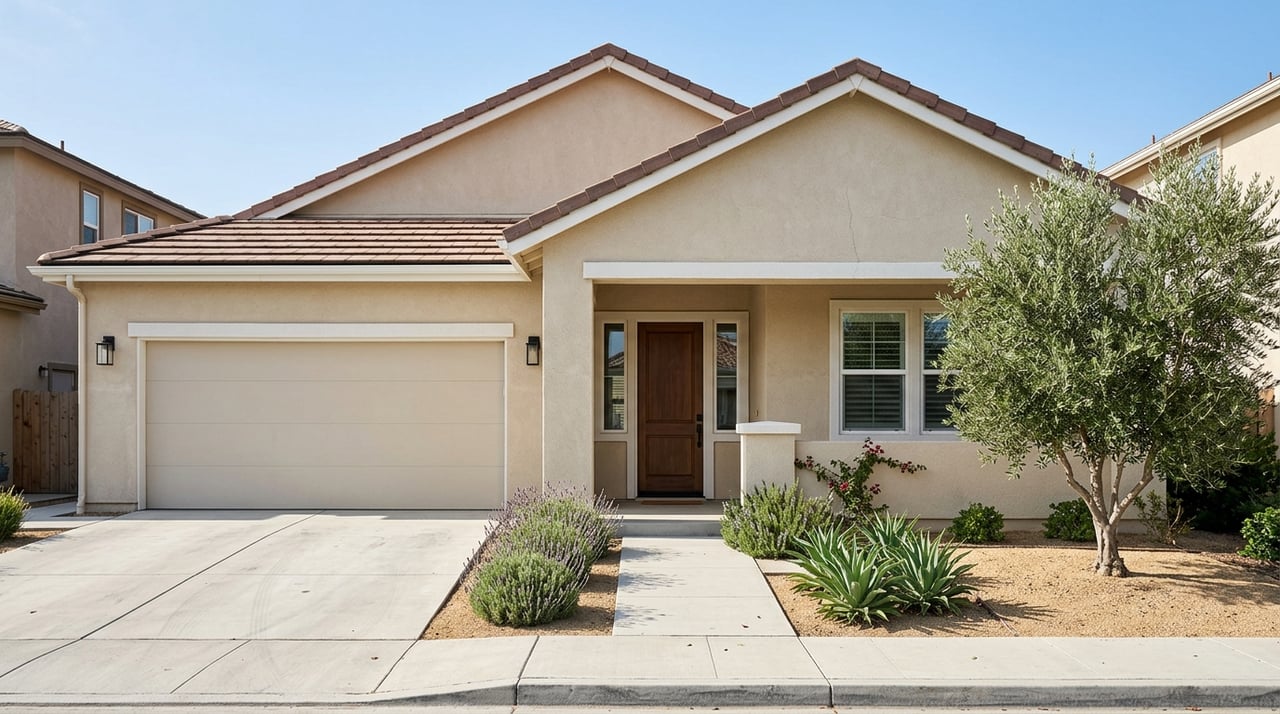
Selling a home can feel simple when you picture the sign in the yard, but the real work starts long before closing day. If you are planning to sell in Rancho Cucamonga, you need more than a listing date. You need a clear plan for pricing, disclosures, showings, negotiations, escrow, and the final handoff. This guide walks you through what to expect from listing to closing in Rancho Cucamonga so you can move forward with more confidence. Let’s dive in.
Rancho Cucamonga Selling Timeline
In March 2026, Rancho Cucamonga sat in a competitive market in the mid-$700,000s. Redfin reported a median sale price of $750,000, about 42 days on market, and roughly 3 offers on average, while Zillow showed a typical home value of $791,317 and homes pending in about 19 days. Those numbers use different methods, but together they point to an active market where pricing and presentation still matter.
That means your home may attract strong interest, but buyers are still paying attention to condition, paperwork, and value. In a price-sensitive market, the homes that feel well prepared often move more smoothly. A strong start can affect both your timeline and your final result.
Start With Price and Preparation
Before your home goes live, the first job is setting the right price. That should be based on recent sold comparables, your home’s condition, and how it stacks up against other recent sales, not just current active listings. Active listings show competition, but closed sales tell you what buyers have actually been willing to pay.
Preparation matters just as much as price. Deferred maintenance, visible wear, and missing paperwork can slow down showings or weaken offers. In Rancho Cucamonga, where buyers may compare several homes in a similar price range, a clean and well-documented property often has an advantage.
It also helps to gather key documents early. That can include HOA records, permit records, and any prior inspection reports you already have. Having these ready can make it easier to answer buyer questions quickly and avoid delays once offers start coming in.
Build the Disclosure Packet Early
In California, disclosures are not a minor step. They are a core part of the sale. One of the most important forms is the Transfer Disclosure Statement, or TDS, which describes the property’s physical condition.
The TDS must be delivered as soon as practicable and before title transfers. If it is delivered after a buyer has already signed an offer, the buyer generally has 3 days after personal delivery or 5 days after mail delivery to cancel. That is one reason smart sellers treat disclosures as part of pre-listing prep, not last-minute paperwork.
You may also need a Natural Hazard Disclosure. This applies when a property falls within mapped hazard areas such as flood, dam inundation, very high fire hazard, state responsibility fire, earthquake fault, or seismic hazard zones. Even if a third-party company prepares the report, the seller and seller’s agent are still responsible for making sure it is delivered.
For homes built before 1978, federal lead-based paint rules apply. You must disclose any known lead hazards, provide the required pamphlet, and give the buyer 10 days to inspect for lead unless both parties agree to a different timeline. You are not required to remove lead hazards or pay for the buyer’s inspection.
California also requires a smoke detector compliance statement in single-family sales. Sellers must also certify that the water heater has been braced, anchored, or strapped for earthquake safety. These details may seem small, but they are part of keeping the transaction on track.
Watch for Rancho Cucamonga Assessments
Rancho Cucamonga homeowners should pay close attention to special taxes and assessments. The city notes that special districts and community facilities districts can appear as separate line items on San Bernardino County property tax bills. If your property is subject to Mello-Roos or other special assessments, those notices must be disclosed.
This is important because buyers often review monthly housing costs closely. A clear explanation of recurring charges helps reduce confusion later in escrow. It also supports a smoother review of the property’s overall cost of ownership.
Condos and Townhomes Need Extra Documents
If you are selling a condo, townhome, or other property in a common-interest development, expect more paperwork. California transactions for these homes often require CC&Rs, bylaws, budgets and reserves, delinquent assessment statements, and certain association records or minutes.
Some of this information must be provided before an offer is executed and again before close of escrow. Because HOA document packages can take time to collect, it is wise to request them early. Waiting too long can create avoidable delays.
Listing, Showings, and Buyer Interest
Once your home is priced, prepared, and documented, it is ready to hit the market. In a city like Rancho Cucamonga, where multiple-offer situations can still happen, your first impression matters. A clean launch with strong pricing and complete information can help you capture early buyer attention.
California also requires both the listing broker and the selling broker to complete a reasonably competent and diligent visual inspection of accessible areas. If there are visible issues, they are likely to come up in disclosures or during the buyer’s due diligence period. That is another reason it pays to address obvious concerns before listing.
You should also expect written agency disclosures that explain who represents whom in the transaction. Commission rates are negotiable between the seller and broker. A clear understanding of representation and expectations helps avoid misunderstandings later.
Reviewing Offers the Smart Way
The highest offer is not always the strongest one. When offers come in, it helps to look at the full picture, including price, financing, contingencies, timing, and the buyer’s overall readiness to close. A cleaner offer can sometimes lead to a better outcome than a higher offer with more risk attached.
In an active market, buyers often move fast, but that does not mean you should rush through the details. Strong documentation, thoughtful pricing, and prompt communication can put you in a better position during negotiations. The goal is not just to accept an offer, but to choose one that has the best chance of reaching the closing table.
Inspections and Repair Requests
After you accept an offer, the buyer usually begins inspections and other due diligence. This is often the stage where sellers feel the most uncertainty. Even well-maintained homes can generate repair requests.
If that happens, you may have options. Depending on the contract and lender requirements, you might agree to complete repairs, reduce the price, or offer a seller credit instead. Credits can be a practical way to keep the sale moving without taking on the time and logistics of repair work before closing.
A structural pest inspection is not required by California law. Still, if the contract or the lender requires one, the seller must provide the pest report and certification before title transfers. It is another item that can affect timing, so it helps to know early whether it will be needed.
What Happens in Escrow
In California, escrow is commonly handled by an independent escrow company or a title insurance company. Licensed brokers can also perform escrow services only when they are acting as an agent in the transaction. Escrow acts as the neutral process that holds documents and funds while all parties complete their obligations.
During escrow, you will sign documents, respond to requests, and track deadlines tied to the contract. This stage can feel quiet from the outside, but a lot is happening behind the scenes. Title review, lender conditions, disclosures, inspections, and final numbers all come together here.
Even when it seems like most issues are resolved, timelines can still shift. For financed purchases, the buyer typically receives a Closing Disclosure at least 3 business days before closing. Certain loan changes can trigger a new review period, which is one reason closing dates sometimes move unexpectedly.
Seller Closing Costs to Expect
Every sale is different, but Rancho Cucamonga sellers should be aware of a few local and state closing items. In San Bernardino County, the documentary transfer tax is $0.55 per $500 of taxable conveyance over $100, and it is collected at recording. This is a local cost that often shows up in the seller’s closing figures.
California real estate withholding may also apply unless an exemption is available. The Franchise Tax Board requires the proper Form 593 information to reach escrow before closing. If this issue is not handled in time, it can delay the final steps.
There is also a special case called FIRPTA. If the seller is a foreign person, federal rules generally require withholding of 15% of the amount realized. It does not apply to most local owner-occupants, but it is important when it does come up.
After Closing: One Last Thing to Know
Closing day is a big milestone, but a few details can carry over after the sale. In California, an ownership change can trigger reassessment and supplemental property tax bills. Buyers may receive one or two supplemental tax bills after closing, and those bills are separate from the mortgage payment.
As a seller, it helps to understand this in case buyers ask questions during the transaction. Clear communication can reduce surprises and help everyone feel more prepared. Small explanations often make a big difference in how smooth the closing experience feels.
Selling from listing to closing in Rancho Cucamonga takes more than putting a home on the market. It takes pricing discipline, organized disclosures, strong negotiation, and steady management through escrow. When each step is handled carefully, you give yourself the best chance at a smoother sale and fewer last-minute surprises.
If you are getting ready to sell and want experienced, local guidance from start to finish, schedule a free consultation with Terri Barrett.
FAQs
What is the average home price in Rancho Cucamonga right now?
- March 2026 reports placed Rancho Cucamonga in the mid-$700,000s, with Redfin reporting a median sale price of $750,000 and Zillow showing a typical home value of $791,317.
How long does it take to sell a home in Rancho Cucamonga?
- March 2026 data showed about 42 days on market from Redfin, while Zillow reported homes pending in about 19 days, so timing can vary depending on pricing, condition, and buyer demand.
What disclosures do California home sellers need in Rancho Cucamonga?
- Common seller disclosures can include the Transfer Disclosure Statement, Natural Hazard Disclosure, lead-based paint disclosure for pre-1978 homes, smoke detector compliance, water heater bracing certification, and notices related to Mello-Roos or other special assessments.
What extra documents are needed to sell a Rancho Cucamonga condo or townhome?
- Condo and townhome sales may require HOA documents such as CC&Rs, bylaws, budgets and reserves, delinquent assessment statements, and certain association records before offer execution and again before close of escrow.
What seller closing costs should Rancho Cucamonga homeowners expect?
- Seller costs may include the San Bernardino County documentary transfer tax, escrow and title-related charges, and possible California real estate withholding unless an exemption applies.
Can repair requests affect a Rancho Cucamonga home sale after inspections?
- Yes. After inspections, buyers may ask for repairs, a price reduction, or a seller credit, and the right response often depends on the contract terms, property condition, and timing.
Why do Rancho Cucamonga sellers need to disclose special assessments?
- The city notes that special districts and community facilities district charges can appear as separate line items on property tax bills, so buyers need a clear picture of recurring property-related costs.