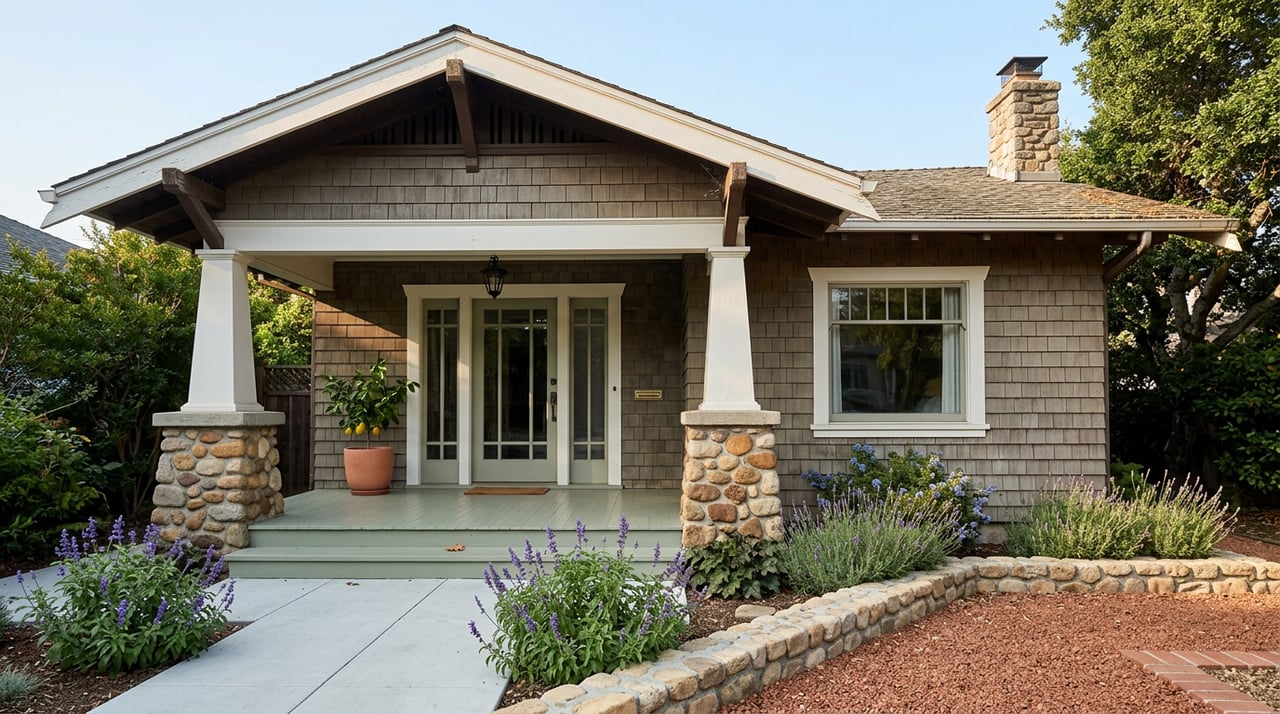
If you work outside Rancho Cucamonga, your home search needs to do more than check off bedrooms and square footage. You also need a place that fits your daily routine, whether that means quick freeway access, a practical train option, or a neighborhood that helps you unwind after a long day. The good news is that Rancho Cucamonga gives you several ways to balance commute time, home style, and lifestyle. Let’s dive in.
Why Rancho Cucamonga Works for Commuters
Rancho Cucamonga appeals to many buyers because it offers more than one commute strategy. The city has access to SR-210 and I-15, with I-10 just south of the city limit, plus major arterial roads like Foothill Boulevard, Haven Avenue, Milliken Avenue, Day Creek Boulevard, Arrow Route, Archibald Avenue, and Etiwanda Avenue.
That road network gives you options, which matters when your schedule changes or traffic patterns shift. Rancho Cucamonga also has a Metrolink station on the San Bernardino Line, giving some buyers a rail alternative instead of relying only on driving.
The city’s planning also supports connected living. Rancho Cucamonga has focused on housing, recreation, arts and culture, entertainment, and employment opportunities in ways that can make daily life feel more convenient, even if your job is in another city.
Start With Your Main Commute Goal
Before you choose a neighborhood, get clear about what kind of commute matters most to you. A buyer heading toward Los Angeles may prioritize very different features than someone driving to Orange County or moving around the Inland Empire.
If rail access is important, Rancho Cucamonga is generally a better fit for Los Angeles-bound commuters than for Orange County-bound commuters. That is because Rancho Cucamonga Station is on Metrolink’s San Bernardino Line, while Orange County service operates as a separate line.
If you commute by car, your focus may be different. In that case, the key trade-off is often whether you want to live closer to a freeway on-ramp or farther from the busiest corridors in exchange for a more residential setting.
Freeway Access vs Residential Feel
For many buyers, this is the biggest decision. Living near major routes can make your morning easier, but it can also mean more activity around the neighborhood and more time spent on busy arterials.
Rancho Cucamonga’s major commute routes include SR-210 and I-15, with I-10 nearby. Main corridors like Haven Avenue, Foothill Boulevard, Milliken Avenue, and Day Creek Boulevard often play a big role in how quickly you can reach those freeways.
If you prefer a quieter, lower-density setting, you may be more comfortable farther from the corridor core. That can mean a longer local drive before you even get on the freeway, but some buyers feel the trade is worth it for the day-to-day atmosphere they want at home.
Metrolink: Best for Some Buyers
Rancho Cucamonga Station can be a strong option if you want to build your routine around rail. Metrolink lists weekday service beginning at 4:11 a.m. and continuing throughout the day on the San Bernardino Line.
The station includes 960 parking spaces, but buyers should know that parking is permit-based and paid. Overnight parking is allowed with a valid permit, and the station also connects with Omnitrans, ONTConnect, and Rally.
For some commuters, that setup works well. For others, permit logistics and station access may make driving the simpler choice, so it helps to think honestly about how often you would use the train before you center your home search around it.
Neighborhood Patterns to Know
Station and corridor core
The city’s general plan points to denser, more vibrant centers near Rancho Cucamonga Station and Victoria Gardens, along with larger mixed-use areas on major corridors such as Foothill Boulevard and Haven Avenue. These locations tend to line up well with buyers who want shorter local drives, more walkability, and easier access to transit.
The city is also supporting continued activity around the Foothill and Haven area and Cucamonga Station through public investment focused on mixed-use development. If your priority is a more connected, commute-oriented setting, this part of Rancho Cucamonga deserves a close look.
Victoria Gardens area
For many buyers, the Victoria Gardens area offers a practical blend of convenience and lifestyle. The city highlights Victoria Gardens as one of its key destinations, and homes in this broader area may appeal to buyers who want shopping, dining, and activity close to home.
That does not automatically mean the shortest commute in every case. It does mean your daily errands and after-work routine may feel easier, which can be a real quality-of-life advantage when your workday starts early or ends late.
Alta Loma and Etiwanda
City planning materials describe Alta Loma as semi-rural and suburban, while Etiwanda is described as traditional and suburban with very low density. These areas usually appeal to buyers who want a more residential feel and lower-density surroundings.
The trade-off is that you may have a longer local drive to a freeway ramp or the rail station. If you value space, a quieter setting, or a more suburban pattern, these neighborhoods may still be a strong fit.
Cucamonga-Red Hill and Central North-Eastside
These areas can work as a middle ground. The city describes Cucamonga-Red Hill as a mix of traditional and suburban neighborhoods at very low and low density, while Central North-Eastside is primarily suburban low density with some pockets of moderate and urban density, especially along Church Street.
For commuters, that often means a balance between residential comfort and reasonable access to major streets and daily errands. If you want flexibility without being in the most active corridor areas, these neighborhoods may be worth comparing.
Southeast and industrial areas
The city identifies the Central South-Southeast area as primarily industrial, with focus areas including the Civic Center, HART District, and Southeast Industrial Area. For most homebuyers, this is not the typical first stop when looking for a residential neighborhood.
Still, it may matter if you want to live closer to work in the southeast part of town. In that case, location efficiency may outweigh other priorities.
Lifestyle Can Make a Longer Commute Easier
A smart home choice is not always about shaving off every possible minute. Sometimes the better move is choosing a neighborhood that makes the rest of your day smoother and more enjoyable.
Rancho Cucamonga highlights destinations like Victoria Gardens, Haven City Market, and Terra Vista Town Center. These places can add convenience and energy to daily life, especially if you want shopping, dining, and entertainment close by.
Outdoor access also matters. The city points to scenic parks and trails, the Pacific Electric Trail, and North Etiwanda Preserve, which Healthy RC notes as a 3.4-mile loop trail.
That kind of access can be a real benefit if you want space to recharge before or after work. A home that sits a bit farther from the freeway may still feel like the right fit if it gives you better access to trails, parks, or everyday movement.
Don’t Overlook Last-Mile Access
Some buyers focus so much on the main commute that they forget about the first and last part of the trip. That short connection between home, station, errands, and major streets can shape how easy your routine feels.
Rancho Cucamonga’s active transportation plan is designed to make walking, biking, and rolling more practical for trips to jobs, schools, parks, and other destinations. The plan includes improvements such as sidewalks, bike lanes, crosswalks, and traffic technology.
If you expect to bike to the station, walk to nearby services, or reduce how often you drive for quick errands, this matters. Metrolink station amenities also include bike racks and lockers, which may support a more flexible routine.
Questions to Ask Before You Buy
As you narrow your options, keep your search focused on how you actually live. A home can look great online and still be a poor fit for your weekly routine.
Ask yourself:
- Is Los Angeles access more important to me than Orange County access?
- Would I rather be closer to the station, closer to a freeway, or on a quieter residential block?
- Will I use Metrolink enough to make permit parking worthwhile?
- Do I care about walking, biking, or local transit for the last mile?
- Do I want more activity near mixed-use centers, or a lower-density neighborhood feel?
These questions can help you sort through trade-offs with more confidence. In a city like Rancho Cucamonga, the best answer is often not the home with the absolute shortest route, but the one that best supports your whole day.
A Smart Rancho Cucamonga Buying Strategy
When you commute, buying the right home is about more than price and floor plan. You are really choosing a daily pattern, including how you leave the house, how you get home, and how your neighborhood supports your routine.
Rancho Cucamonga gives you a range of options, from commute-oriented areas near the station and major corridors to lower-density neighborhoods with a more residential feel. The key is matching the location to the way you plan to travel, not just the way a listing looks on paper.
If you want help weighing neighborhoods, commute trade-offs, and the kinds of homes that fit your goals in Rancho Cucamonga, Terri Barrett is here to help with steady, local guidance and a personalized plan.
FAQs
What makes Rancho Cucamonga appealing for commuters?
- Rancho Cucamonga offers access to SR-210, I-15, nearby I-10, major arterial roads, and a Metrolink station on the San Bernardino Line, giving buyers more than one commute option.
Is Metrolink from Rancho Cucamonga better for Los Angeles or Orange County commuters?
- Rancho Cucamonga is generally a better rail fit for Los Angeles-bound commuters because the station is on the San Bernardino Line, while Orange County service is a separate line.
Which Rancho Cucamonga areas are most connected for commuting?
- Areas near Rancho Cucamonga Station, Victoria Gardens, Foothill Boulevard, and Haven Avenue tend to align best with buyers who want shorter local drives, more walkability, and stronger transit access.
What should buyers know about Rancho Cucamonga Metrolink parking?
- Rancho Cucamonga Station has 960 parking spaces, and parking is paid and permit-based, with overnight parking allowed for valid permit holders.
Which Rancho Cucamonga neighborhoods feel more residential for commuters?
- Alta Loma, Etiwanda, Cucamonga-Red Hill, and parts of Central North-Eastside may appeal to buyers who want a more residential setting, though some areas may involve a longer local drive to freeways or the station.
Why does last-mile access matter when buying in Rancho Cucamonga?
- Last-mile access affects how easy it is to get from home to the station, errands, and nearby destinations, and Rancho Cucamonga’s active transportation improvements may support more practical walking and biking options.